The Nazi Hunters

The Full Story

One of the federal governmentʼs responses to the Menzies Review was to form the Special Investigations Unit (SIU) in April 1987.

The SIUʼs first director was Bob Greenwood KC, who built a team of investigators, lawyers, translators and support staff. The SIUʼs headquarters were in Sydney, but its work extended across many parts of Australia and the world.

Similar units existed in other countries at a time when there was international interest in prosecuting historical war crimes. The SIU established means of exchanging evidence and intelligence with other such agencies and international investigative bodies.

The main goal of the SIU was to gather sufficient evidence on suspected war criminals to prepare a brief for presentation to the Commonwealth Director of Public Prosecutions. If the CDPP were convinced of the strength of the evidence, charges would be laid.

843

Cases

ONLY THREE

criminal charges laid

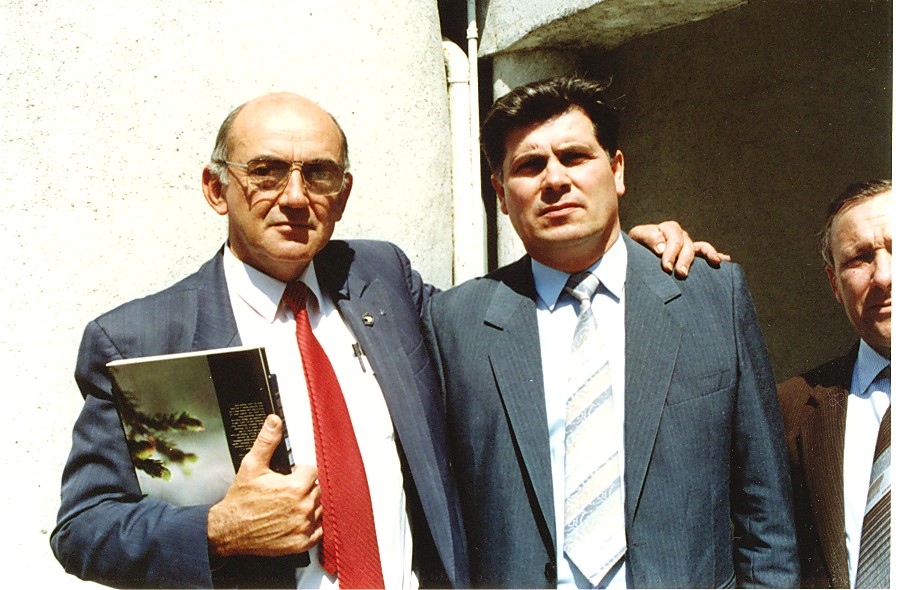
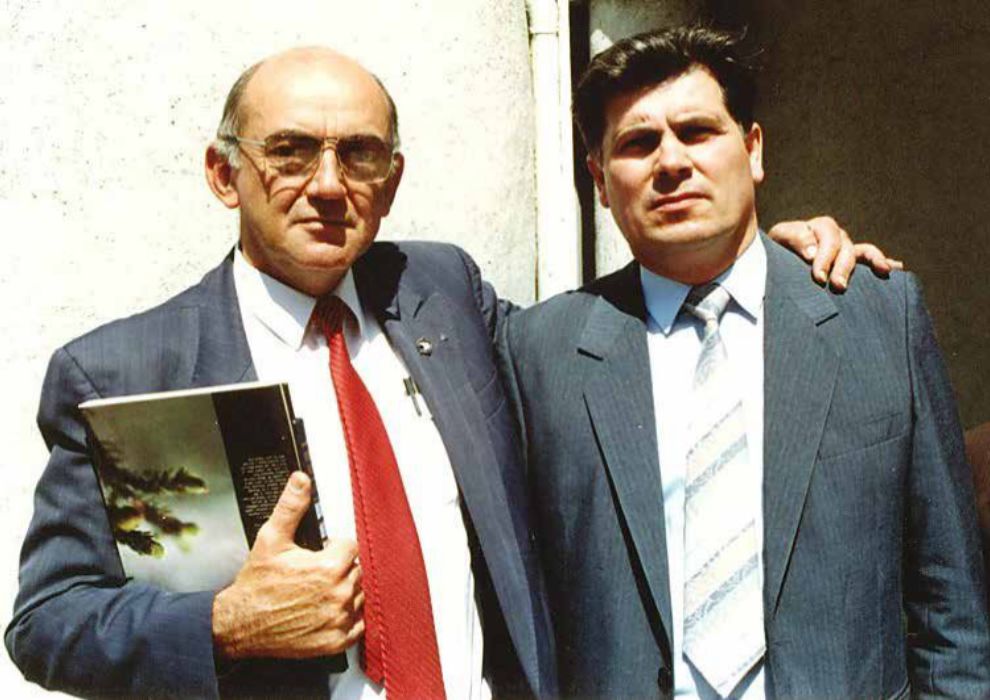
Bob Greenwood, left, with Rivne Regional Procurator Colonel Vasily Polevoy. (Graham Blewitt)
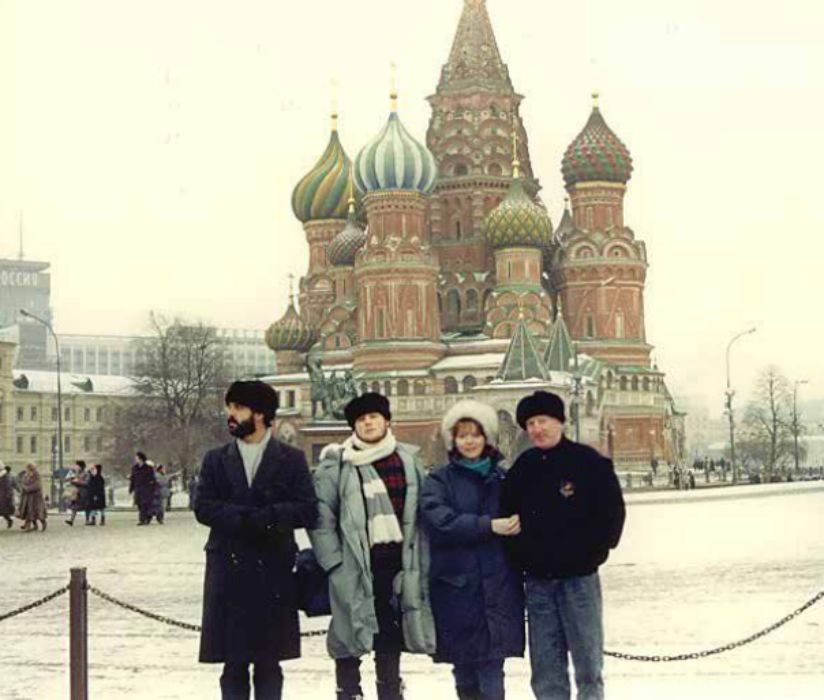
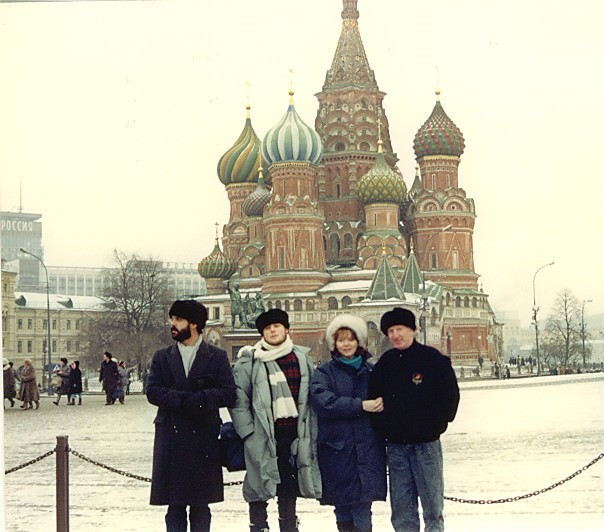
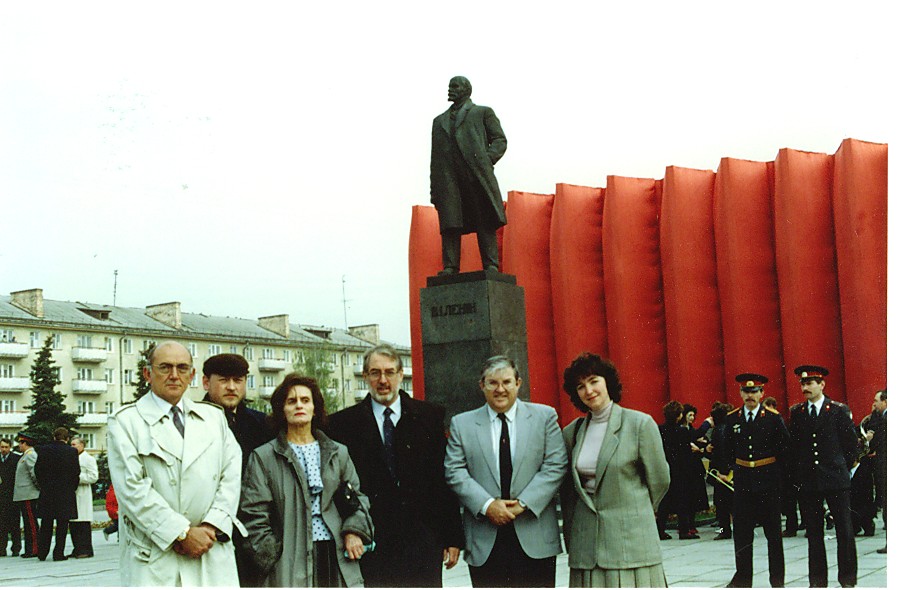
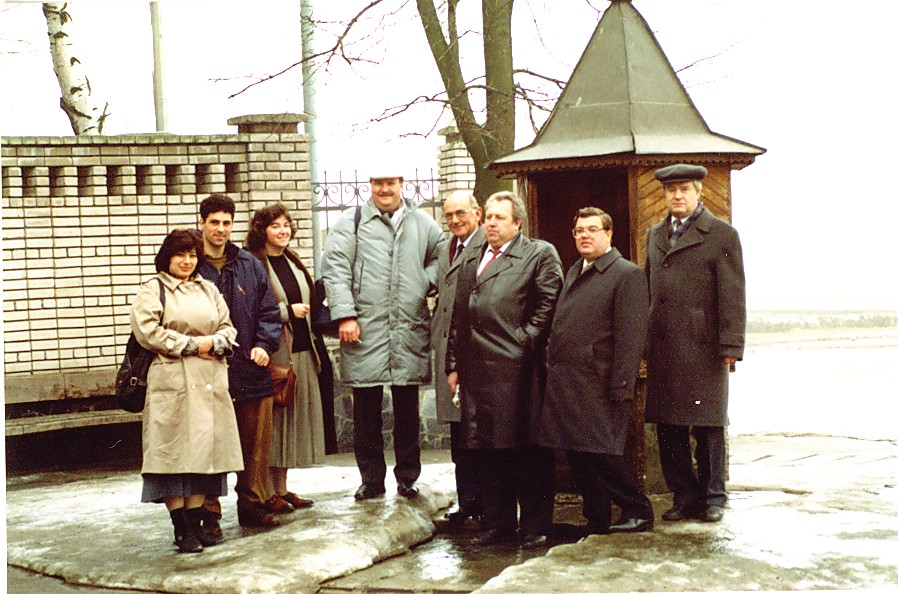
An Australian SIU team in Moscowʼs Red Square, December 1989. From left to right are Lead Investigator Bob Reid, Australian interpreter Eugene Ulman, SIU Analyst Ann Dowd and Chief Investigator Bruce Huggett. (Graham Blewitt)
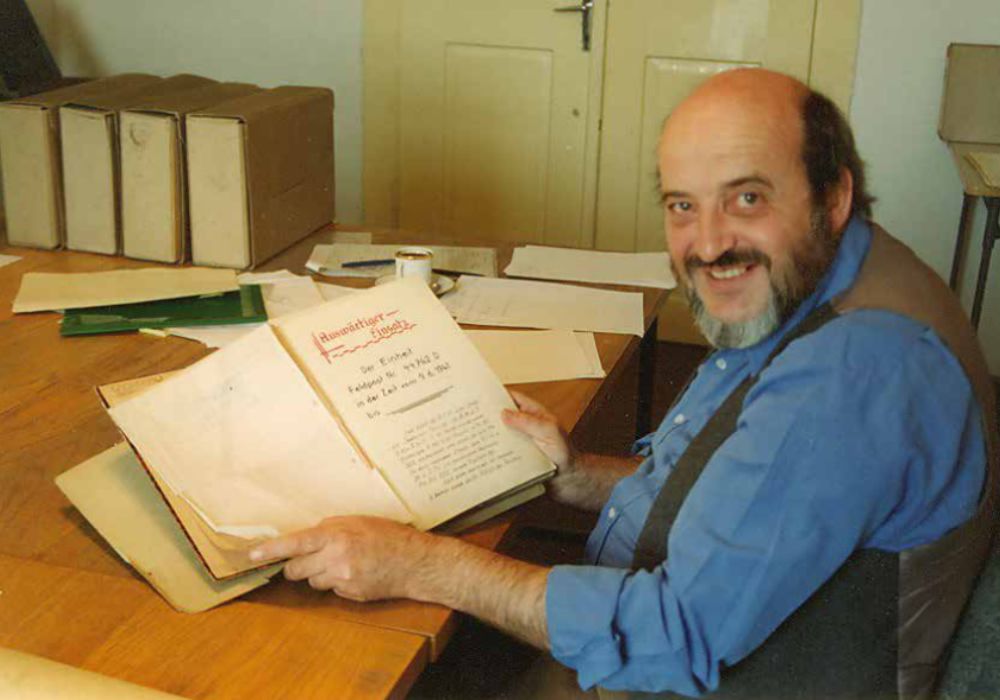
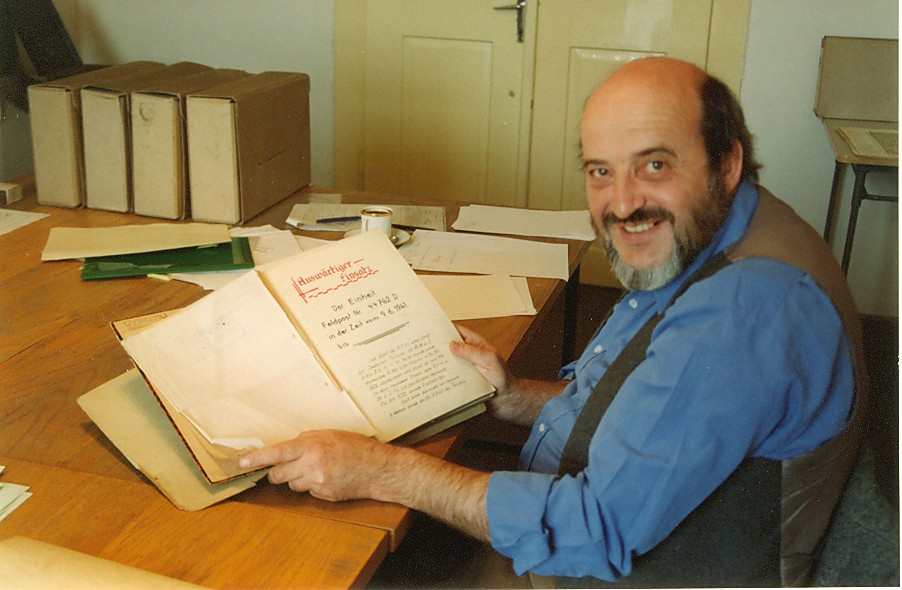
Konrad Kwiet at the Czech Military History Archive in Prague. (Graham Blewitt)

Professor Konrad Kwiet was appointed the SIUʼs chief historian and led the task of locating archival evidence. A valuable repository was located in Prague. The visit by the SIU team in March 1990 was the first occasion on which Westerners gained access to SS records held there. 

Deputy director and then director of the Special Investigations Unit Graham Blewitt explains thestructure and work of the SIU.

Audio: Blewitt.5.On structure and work of the SIU

Source: State Library of South Australia. Interview with Graham Blewitt. Sound recording,Sydney, 21 November 2023. Interviewer: Peter Monteath. OH 1204/5.

SIU investigator John Ralston on the SIU leadership.

Audio: Ralston.3.SIU Leadership

Source: State Library of South Australia. Interview with John Ralston. Sound recording, Sydney,16 June 2024. Interviewer Peter Monteath. OH 1204/8

The late Kyle Wilson was a Russia expert and diplomat who worked at the Russia desk in theDepartment of Foreign Affairs and Trade (DFAT) in Canberra when the SIU began its work inAustralia. He discusses Soviet motives in facilitating investigations into alleged war criminals.Wilson supported the work of the SIU, initially in Australia and later in Moscow. Like some othersin DFAT he was initially sceptical about Soviet motives. In this excerpt he describes how throughBob Greenwood he became convinced of the importance of the work of the SIU.

Audio: Wilson.1.Scepticism to belief

Source: State Library of South Australia, Interview with Kyle Wilson, Canberra, 6 December2024. Interviewer: Peter Monteath. OH 1204/10.

SIU investigator John Ralston discusses the range and nature of the evidence collected by theSIU.

Audio: Ralston.4.Evidence collected by SIU

Source: State Library of South Australia. Interview with John Ralston. Sound recording, Sydney,16 June 2024. Interviewer Peter Monteath. OH 1204/8

SIU investigator John Ralston describes the overseas activities of the SIU.

Audio: Ralston.5.Overseas activities

Source:  State Library of South Australia. Interview with John Ralston. Sound recording, Sydney,16 June 2024. Interviewer Peter Monteath. OH 1204/8

Kyle Wilson was charge d’affaires in the Australian Embassy in Moscow when the SIU wasundertaking investigative work, including exhumations, in the Soviet Union and other parts ofthe eastern bloc. Here he discusses the support the Australian Embassy provided fromMoscow, including a visit he made to KGB Headquarters as he sought the KGB’s cooperationwith the SIU.

Audio: Wilson.3.On work in Moscow

Source: State Library of South Australia, Interview with Kyle Wilson, Canberra, 6 December2024. Interviewer: Peter Monteath. OH 1204/10.

SIU investigator John Ralston discusses the SIU’s collaboration with European authorities.

Audio: Ralston.6.Working with European authorities

Source: State Library of South Australia. Interview with John Ralston. Sound recording, Sydney,16 June 2024. Interviewer Peter Monteath. OH 1204/8.

SIU chief historian Konrad Kwiet discusses the SIU’s visits to European archives in search ofevidence, drawing on the influence of Bob Greenwood in persuading authorities in EasternEurope to open up hitherto unaccessed repositories.

Audio: Kwiet.1. Archives

Source: State Library of South Australia. Interview with Konrad Kwiet. Sound recording, Sydney,19 November 2023. Interviewer Peter Monteath. OH 1204/9.

SIU investigator John Ralston on the innovative use of the videorecording of witness testimony.

Audio: Ralston.7.Videorecording

Source: State Library of South Australia. Interview with John Ralston. Sound recording, Sydney,16 June 2024. Interviewer Peter Monteath. OH 1204/8

The search for war criminals in Australia led some communities to feel that they were beingtargeted by Australian authorities as a haven for war criminals. Defence lawyers Lindy Powelland Gabby Brown discuss the impact of the investigations on communities in Adelaide.

Audio: Powell and Brown.2. Impact on communities

Source: State Library of South Australia. Interview with Lindy Powell and Gabby Brown. Soundrecording, Adelaide, 7 March 2025. Interview by Peter Monteath. OH1204/11.

The Nazi Hunters: The Graham Blewitt Collection

Graham Blewitt was from 1988 the Deputy Director of the Special Investigations Unit, and after the departure of Bob Greenwood KC became the SIU’s Director in 1991 and remained in that role until the end of the SIU in January 1994. He kept a photographic record of the work of the overseas work of the SIU, accessible – along with a range of other materials – via Graham’s website: https://grahamtblewitt.com/

Members of an SIU team in Moscow’s Red Square, December 1989. From left to right Bob Reid, Eugene Ulman, Anne Dowd, Bruce Huggett. (Graham Blewitt)

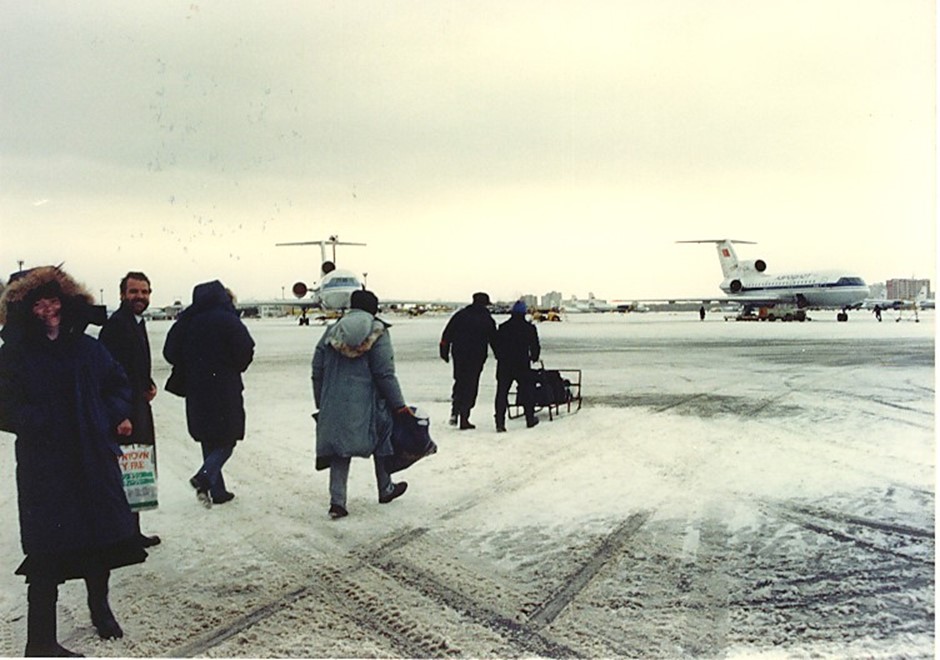
The team departs Moscow for its first investigative mission into what was then still the Ukrainian Soviet Socialist Republic, December 1989, to interview witnesses. At the same time, other teams departed Moscow for Latvia and Lithuania, also at that time still part of the Soviet Union. (Graham Blewitt)

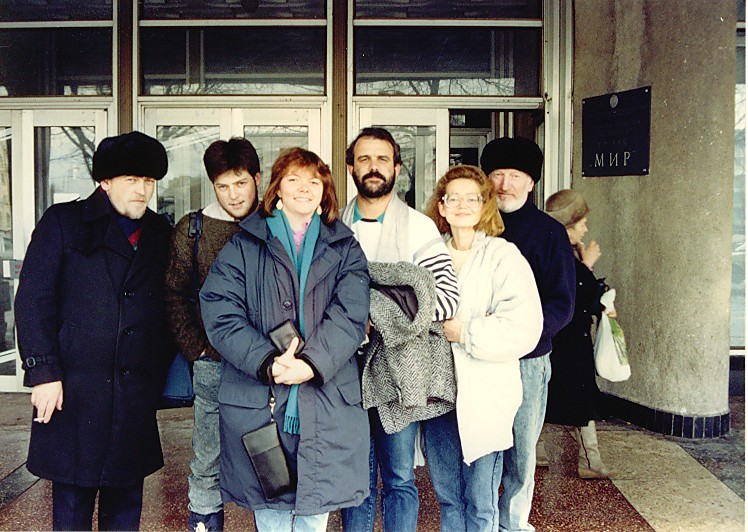
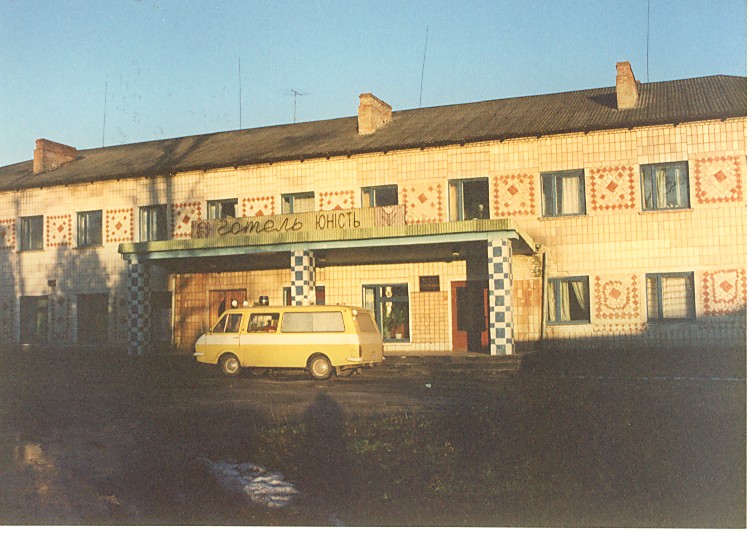
Team members at the entrance to the ‘Mir’ Hotel in Rivne (Rovno), joined by their two interpreters. Left to Right: Stas Kostesky (interpreter), Eugene Ulman (the SIU’s own interpreter, Anne Dowd (criminal analyst), Bob Reid (lead SIU investigator), Marina (interpreter, surname unknown), Bruce Huggett (chief investigator). (Graham Blewitt)

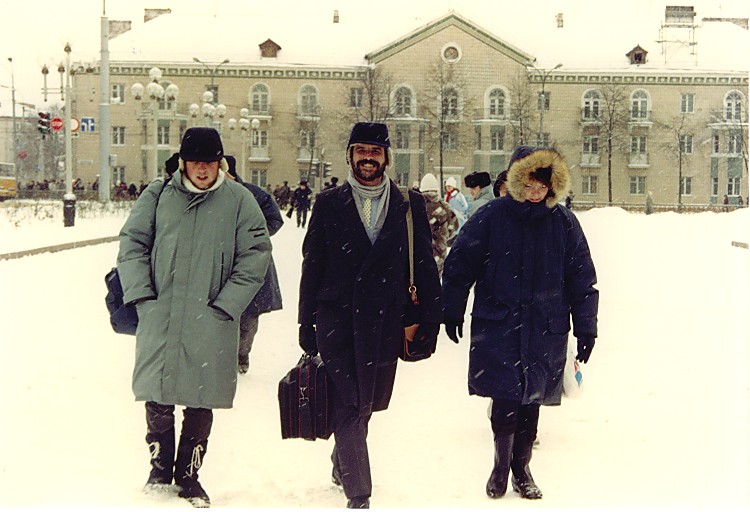
Three members of the SIU team in Ukraine – Eugene Ulman, Bob Reid and Anne Dowd – on their way to the Procurator’s Office in Rivne, December 1989. (Graham Blewitt)

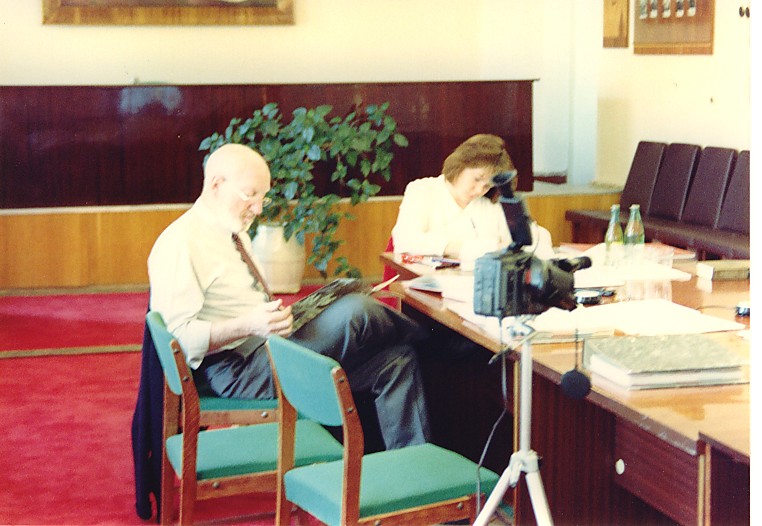
Bruce Huggett and Anne Dowd prepare for a witness interview, video equipment in place. Rivne, December 1989. (Graham Blewitt)

The ‘Zarechnye Hilton’, accommodation for the SIU team during its visit to nearby Sernyky in December 1989.  The guest rooms had no heating or hot water, only one functioning toilet and no curtains. (Graham Blewitt)

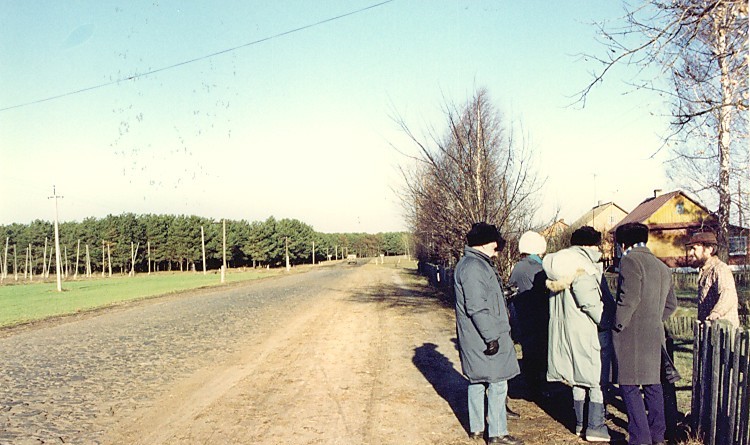
The SIU team interviews witness Fyodor Polyukhovich, who lived in the vicinity of the mass grave located in the pine forest at the end of the street. Fyodor Polyukhovich was a key witness in the Ivan Polyukhovich case. He told investigators that he had seen Ivan Polyukhovich (‘Ivanechko’) escorting a column of Jews past his home to a pit, and that later the same day he had also witnessed Ivan Polyukhovich at the pit during the killing of the Jews. (Graham Blewitt)

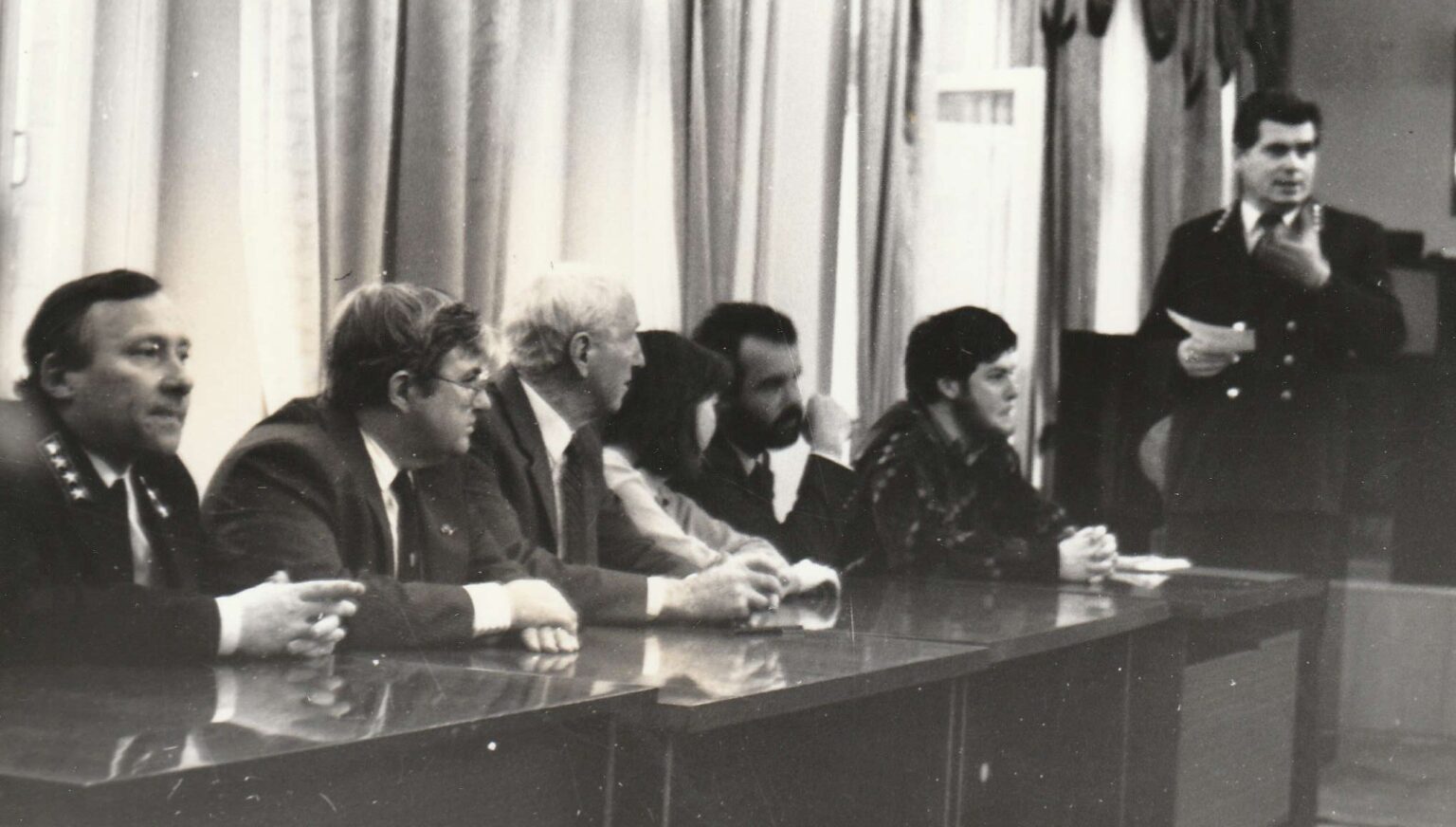
Farewell speech to the SIU team by Soviet Regional Chief Procurator Colonel Vasily Polevoy. Seated left to right are Rivne Procurator Leonid, Graham Blewitt, Bruce Huggett, Anne Dowd, Bob Reid, Eugene Ulman. Rivne, December 1989. (Graham Blewitt)

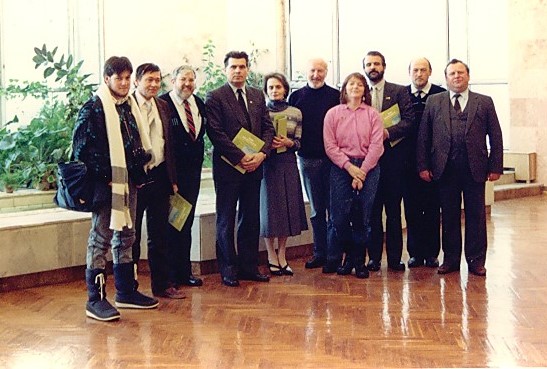
Rivne, December 1989. The Moscow based Soviet War Crimes Procurator Natalia Kolesnikova (middle) is flanked left to right by Eugene Ulman, liaison procurator Vasily Melnishin, Graham Blewitt, Colonel Vasily Polevoy, Bruce Huggett, Anne Dowd, Bob Reid, Stas Kostesky and the Rivne Mayor. (Graham Blewitt)

Professor Konrad Kwiet in the Military Archive in Prague, March 1990. (Graham Blewitt)

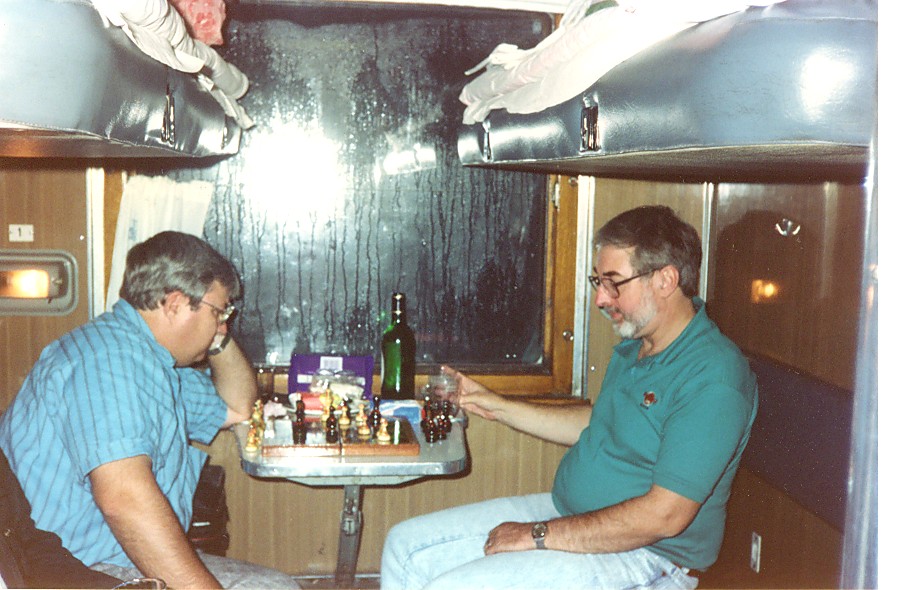
Graham Blewitt and Greg James playing chess while travelling by train from Moscow to Rivne (Rovno), May 1990. (Graham Blewitt)

Rivne in May 1990. Left to right: Bob Greenwood, Stas Kostesky, Natalia Kolesnikova, Greg James, Graham Blewitt and Ludmila Stern; a May Day parade is taking place in the background, overseen by a statue of Lenin. (Graham Blewitt)

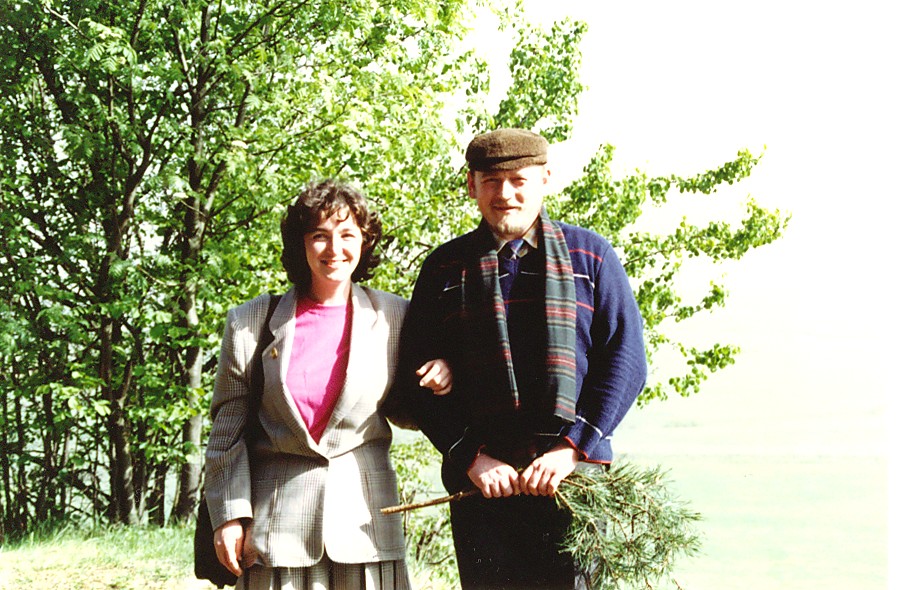
Interpreters Ludmila Stern (SIU) and Stas Kostesky. Sernyky May 1990. (Graham Blewitt)

Rivne, May 1990, Bob Greenwood with the Regional Prosecutor General Vasily Polevoy. A main aim of the visit to Rivne was to strengthen the SIU’s cooperation with the Rivne Procurator’s Office in the Polyukhovich case. At a dinner hosted by Polevoy, Greenwood and Polevoy engaged in a vodka-for-vodka toast. After 23 toasts, and at 2:30 am, Polevoy conceded defeat and embraced Bob, giving him a bear hug so powerful that he unintentionally broke several of Bob’s ribs. This photo was taken by Graham Blewitt the following day, Greenwood managing to conceal the pain caused by the previous night’s exploits. (Graham Blewitt)

An SIU Team in Vinnitsa, on 16 March 1991 – from left: Tanya Ryvchin (SIU interpreter), Martin Dean (SIU historian), Ludmila Stern (SIU interpreter), Paul Malone (SIU investigator, in charge of the Berezovsky case), Bob Greenwood, with local procurators ‘Pavarotti’, Demar and Temchenko. (Graham Blewitt)

WARNING!

This website includes photographs, personal accounts and historical material that some visitors may find confronting. It is not recommended for those under 13 years of age. Please explore at your own pace and take time to reflect before you leave this website.

Enter