
After the acquittal of Polyukhovich and the earlier committal finding of ‘no case to answerʼ in the Berezovsky case, there was to be just one more trial before a jury, that of Heinrich Wagner.
Controversially, on 10 December 1993 the Commonwealth Director of Public Prosecutions, Michael Rozenes KC, chose to stop the case on the grounds of Wagnerʼs ill-health.
After more than 800 cases had been investigated, and three men charged, there had been no conviction. Critics of the attempts to bring war criminals to justice felt vindicated. A common theme was the high cost incurred by the Australian taxpayer.
Had justice been done? Can the outcomes of the investigations and prosecutions be measured in the number of convictions alone? Were there positive legacies of the Adelaide prosecutions?
In November 1993, the first international war crimes tribunal since Nuremberg was set up in The Hague. On concluding his term as Director of the SIU in January 1994, Graham Blewitt took on the role of Deputy Prosecutor with the International Criminal Tribunal for the former Yugoslavia (ICTY).
Two former SIU investigators, Bob Reid and John Ralston, joined Blewitt in The Hague, as did Grant Niemann, who became a Senior Trial Attorney. Richard Wright and members of his team undertook work for the ICTY.
The Australians applied lessons learned from the Australian prosecutions. Foremost was the need to investigate and prosecute crimes sooner rather than later.
In September 1991 the Attorney General advised that the SIU was to cease all investigations on 30 June 1992. The SIU continued after that date as the War Crimes Prosecution Support Unit. In 1992 a fourth case was presented by the SIU for prosecution, that of former SS officer Kārlis Ozols. The SIU believed that Ozols had overseen the mass-killings of Jews in his native Latvia and Belarus. However, the case did not proceed when the government withheld support for finalising the investigation. Ozols died in Melbourne in 2001.
Among other alleged criminals who escaped prosecution was the Latvian Konrāds Kalējs, a former company commander in the notorious Arajs Kommando. He died aged 88 in Melbourne.
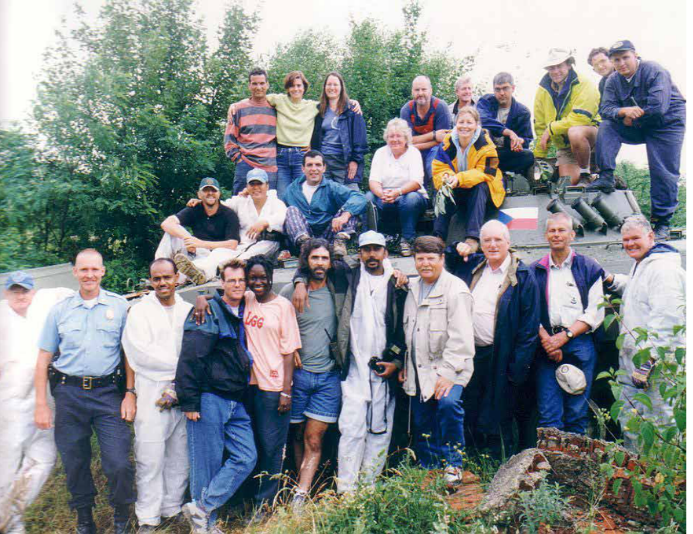
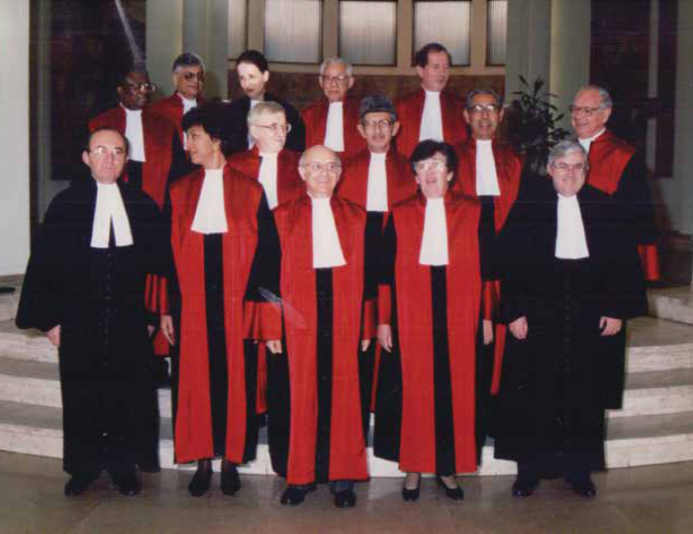
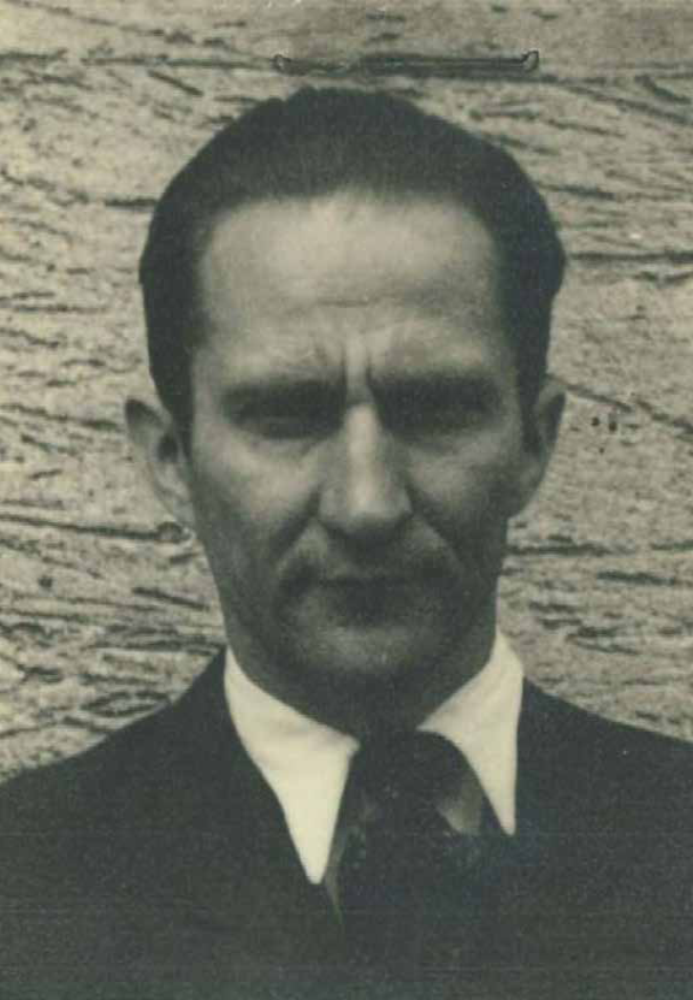
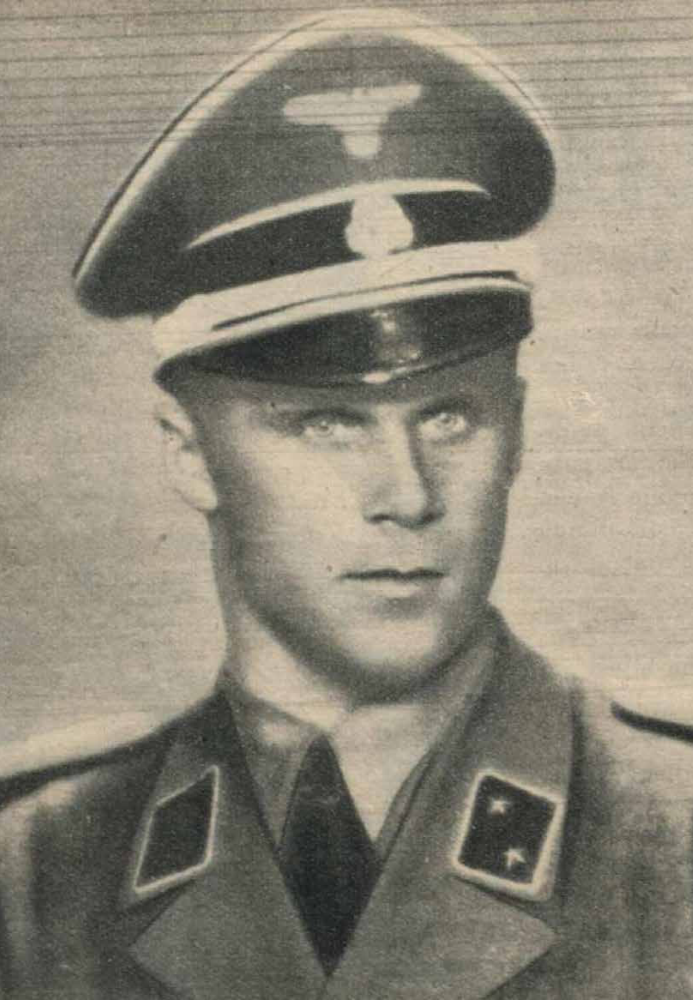
Australians made vital contributions to the ICTY. Richard Wright led a large international team of forensic archaeologists and anthropologists who exhumed sites in the former Yugoslavia in the period 1997 – 2000. Graham Blewitt, former Director of the Special Investigations Unit, served as Deputy Prosecutor 1994 – 2004. Ninety individuals were convicted.
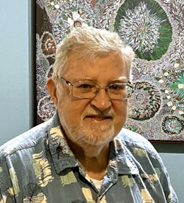
Deputy director and then director of the Special Investigations Unit Graham Blewitt discusses the case of Karlis Ozols, which to his disappointment did not lead to the charging of the accused.
Audio: Blewitt.7.on the Ozols case
Source: State Library of South Australia. Interview with Graham Blewitt. Sound recording, Sydney, 21 November 2023. Interviewer: Peter Monteath. OH 1204/5.
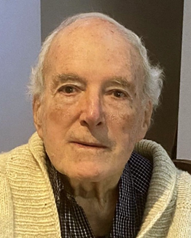
Forensic archaeologist Richard Wright discusses the work he undertook as leader of the exhumation team for the International Criminal Tribunal for the former Yugoslavia (ICTY) in Bosnia, drawing on experience gathered earlier in Ukraine.
Audio: Wright.8.ICTY
Source: State Library of South Australia, Interview with Richard Wright. Sound recording, Sydney, 15 June 2024. Interviewer: Peter Monteath. OH 1204/15.
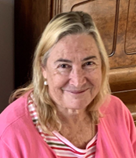
SIU investigator Anne Brettingham-Moore discusses the impact on her of the long-term work on the Adelaide cases.
Audio: Brettingham-Moore.3.on impact
Source: State Library of South Australia. Interview with Anne Brettingham-Moore. Sound recording, Sydney, 28 September 2024. Interviewer: Peter Monteath. OH 1204/1.
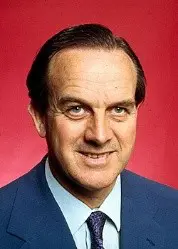
Before the prosecutions in Adelaide had concluded, former attorney-general Lionel Bowen in 1991 reflected on what had been achieved in Australia and whether the prosecutions in Adelaide would have been worthwhile if there were few or no convictions.
Audio: Bowen.3.Justifying the prosecutions.
Source: Recording of interview with former attorney-general Lionel Bowen, May 1991. Interviewer: David Bevan. Private collection.
Deputy director and then director of the Special Investigations Unit Graham Blewitt on the longer-term benefits of the Adelaide prosecutions.
Audio: Blewitt.6.on the benefits of the prosecutions
Source: State Library of South Australia. Interview with Graham Blewitt. Sound recording, Sydney, 21 November 2023. Interviewer: Peter Monteath. OH 1204/5.
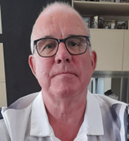
SIU investigator Bob Reid reflects on the lessons to be learned – or otherwise – from the Adelaide prosecutions.
Audio: Reid.5.Lessons of Adelaide Prosecutions
Source: State Library of South Australia. Interview with Bob Reid. Sound recording, Pelican Waters, 16 September 2023. Interviewer: Peter Monteath. OH 1204/2.
SIU investigator John Ralston on the benefits of the Adelaide prosecutions.
Audio: Ralston.15.Benefits
Source: State Library of South Australia. Interview with John Ralston. Sound recording, Sydney, 16 June 2024. Interviewer Peter Monteath. OH 1204/8
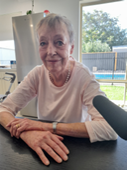
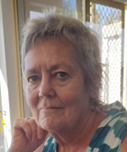
Lindy Powell and Gabby Brown on whether justice was done in Adelaide.
Audio: Powell and Brown.15.Was justice done
Source: State Library of South Australia. Interview with Lindy Powell and Gabby Brown. Sound recording, Adelaide, 7 March 2025. Interview by Peter Monteath. OH1204/11.
SIU investigator John Ralston on whether justice was done.
Audio.Ralston.14.Justice
Source: State Library of South Australia. Interview with John Ralston. Sound recording, Sydney, 16 June 2024. Interviewer Peter Monteath. OH 1204/8.
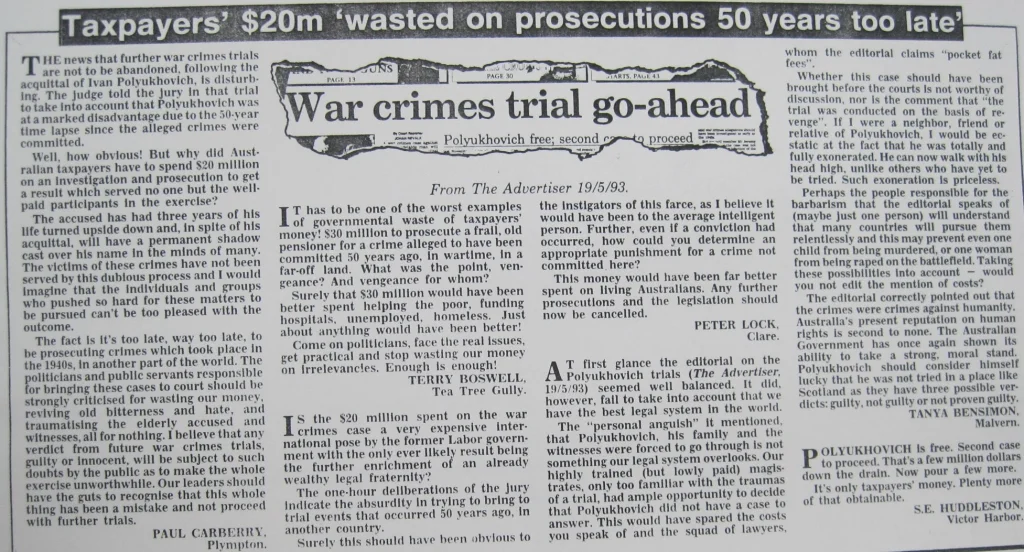
On 26 May 1993, shortly after the Polyukhovich acquittal the local newspaper, The Advertiser, published a number of letters expressing readers’ views on the prosecutions that had taken place in Adelaide. At that time the Wagner case was still expected to go to trial. A common theme was the spending of taxpayer’s money in the service of a cause that was ‘too late’.
The names of hundreds of thousands of victims of the ‘Holocaust by Bullets’ in Ukraine and elsewhere remain unknown to this day. Among the papers held by the Defence in the Polyukhovich case is a folder titled ‘Jewish residents of Serniki allegedly deceased’. It contains a list of Sernyky’s Jewish victims, compiled by Zelig Keufman.
This list goes some way to recording at least the victims of Sernyky, though it is imperfect and incomplete. There are inconsistencies in spelling, names may be missing, and there may have been victims who shared a name. The list also includes the names of Jewish victims from a village identified as Dobroisk (possibly Dibrivsk, and possibly because at the time of the formation of a ghetto in Sernyky in 1942, Jews from other villages were concentrated there).
The forensic archaeologists who uncovered the mass grave in Sernyky found 553 bodies from the mass killing in September 1942. In August of the previous year perhaps 120 Jewish males were killed and buried at the Jewish cemetery. At various other times, smaller numbers of Jews were killed in and in the vicinity of Sernyky.
Some of the Jewish population were able to escape capture in Sernyky on the day of mass killing by leaving the ghetto and making their way into the surrounding forests or finding refuge with courageous Ukrainians. One estimate has it that some 272 escaped the Germans’ clutches at this point. Of these, 102 perished in the forests, between 10 and 12 died fighting as partisans, while the rest ‘succumbed to hunger, cold, and illness or were killed by police and other local inhabitants.’[i]
[i] Stephen Pallavicini and Martin Dean, ‘Serniki’, in The United States Holocaust Memorial Museum Encyclopedia of Camps and Ghettos, Volume II: Part B., Washington: United States Holocaust Memorial Museum, 2012, p. 1466.
The following list contains the names of 640 of the dead.
Through a decision of the Keating government, the Special Investigations Unit was wound up at the end of June 1992. One part of its work continued in the form of the War Crimes Prosecution Support Unit. The WCPSU existed for the express purpose of supporting the prosecutions that were still being carried out in Adelaide. When the case against Heinrich Wagner was terminated in December 1993, the WCPSU too came to an end.
At the time of its termination there were many who took the view that the work of the SIU was incomplete, and that there were further investigations and prosecutions that needed to be pursued, for example in relation to Karlis Ozols, Konrāds Kalējs and others. In the absence of the SIU, this responsibility was transferred formally to the Australian Federal Police. Since that time, however, the work of the AFP has not led to any further charges being laid under the War Crimes Amendment Act.
A final report on the work of the SIU was authored by its second and final director, Graham Blewitt, under the title ‘Report of the Investigations of War Criminals in Australia’. The Report, published in late 1993, provides a detailed overview of the history of the SIU and of the more than 800 cases it investigated. Part Eight of the Report contains a list of recommendations, reproduced below. The recommendations pertain to such issues as the need to investigate war crimes committed since 1945 and the need to establish a permanent war crimes unit. It is further recommended that the government ‘takes steps to honour its obligations under the Convention on the Prevention and Punishment of the Crime of Genocide by making genocide a crime, and punishable as such, in Australia.’
Source: Report of the investigations of war criminals in Australia. Attorney-General’s Department, Canberra: Australian Govt. Pub. Service, 1993, pp. 569-71. The recommendations are also reproduced as an appendix in Mark Aarons and Graham Blewitt (eds.), Nazis in Australia: The Special Investigations Unit, 1987–1994, Melbourne: Black Inc., 2025, pp. 291-93.
PART EIGHT: RECOMMENDATIONS
As at 31 December 1992 the following recommendations are made:
1.
That the provisions of the War Crimes Act 1945, as amended, be extended to include war crimes and crimes against humanity whenever and wherever committed by persons who are or who become Australian citizens or residents.
It is difficult to see any justification for continuing to confine the operation of the Act to war crimes committed in Europe during the Second World War. The number and scope of armed conflicts in the world since 1945 together with the fact that Australian immigrants are drawn from a multitude of nationalities indicate that, despite immigration screening procedures, alleged war criminals from other theatres of war will have entered Australia.
2.
That the Government establishes a permanent war crimes unit, similar to the SIU, to enforce the expanded operation of the war crimes legislation. From the experiences of the SIU it has been demonstrated that a dedicated organisation, with investigative, historical, legal and other technical skills, is required to undertake the unique task of war crimes investigations.
The task of the war crimes unit would be to carry out investigations into specific allegations of war criminals living in Australia. Further, the unit would perform a pro-active role in cooperating with organisations throughout the world to identify war criminals, to prevent such persons entering Australia and to take appropriate action in cases where alleged war criminals have entered Australia.
3.
That the Government raises and supports in the United Nations the creation of a permanent international tribunal with jurisdiction to try war crimes and crimes against humanity.
4.
That the Government makes a clear policy statement regarding its determination to prevent persons involved in war crimes or crimes against humanity from seeking refuge in Australia.
Consistent with this statement it is also recommended that the Government ensure that immigrants entering Australia are sufficiently screened to prevent the entry of persons involved in such crimes. To assist this process it is recommended that the Government pass or amend appropriate legislation requiring prospective immigrants to declare in writing that they have never been involved in war crimes or crimes against humanity. Further they should be notified in writing that in the event such declaration be proved false, then in addition to any appropriate action that may be taken in respect of prosecutions for such crimes, either in Australia or in the country where they were committed, deportation from Australia for making such false statement may result.
In respect of persons seeking to receive Australian citizenship, they should be required to make similar declarations and to acknowledge that revocation of citizenship may result from a proven false declaration, in addition to any other action that may be taken.
5.
That the Government takes steps to honour its obligations under the Convention on the Prevention and Punishment of the Crime of Genocide by making genocide a crime, and punishable as such, in Australia.
6.
That consideration be given to enacting legislation facilitating the video-conferencing of evidence from overseas to Australia. At the time of writing, the evidence of one expert witness was permitted to be given by video-link between the United States and Australia in a prosecution arising from an SIU investigation; the witness was an historian. All parties agreed that the video facility had been clear and simple to use. It also effected a considerable cost saving.
Video-conferencing is not seen as appropriate for all overseas evidence. However, the implications of its wider use in cases where much of the evidence is held overseas are apparent: substantial savings, convenience to witnesses, the ability to take direct evidence before a judge and jury from a witness who is either not capable or not willing to travel to Australia.
One potential problem in this area is the question of jurisdiction over a witness in the event of false evidence being given. This topic is already under active consideration by the Standing Committee of AttorneysGeneral in the context of complex fraud trials.
7.
That all birth, death and marriage records which are currently archived on a State by State basis be collected in one centralised and computerised holding, perhaps in Canberra.
This move would be advantageous to all law enforcement and investigative agencies, geonealogists, historians, statisticians and individual members of the public.
8.
That whenever the Government establishes organisations, Inquiries or Royal Commissions which may attract controversy, an education/media officer be appointed to prepare and disseminate information kits for the benefit of the media and members of the public.
The three cases in Adelaide demonstrated that it was extremely difficult to get a conviction on a war crimes charge so many years after the alleged offences. A British case, however, proved that it was not impossible.
This was the case of Anthony Sawoniuk, who was born Andrei Sawoniuk in 1921. Like Sernyky, Damačava was in the region of Polesie, and like Sernyky it was part of Poland between the wars; at that time it was Domaczewo. Today it is in Belarus.
During World War II Sawoniuk was member of the collaborationist Belarusian Auxiliary Police, rising to the rank of commandant. Later in the war he joined the German armed forces, serving in an SS unit, but in November 1944 he defected to the enemy, using his Polish birth certificate. After the war Sawoniuk migrated to the UK and became a British citizen.
Suspicions about his wartime activities emerged in the 1980s and led eventually to his arrest in 1994. He was tried at the Old Bailey on two murder charges; both related to the murder of numbers of Jews in his German-occupied hometown. He vigorously protested his innocence but was given two life sentences. He was the first and only person to be convicted in the UK under the War Crimes Act 1991.
Sawoniuk died in Norwich Prison in 2005 at the age of 84.
For more information on the Sawoniuk case, see these articles by Nick Hopkins:
https://www.theguardian.com/uk/1999/apr/02/2
https://www.theguardian.com/world/1999/apr/02/warcrimes.germany
No conviction was recorded in Adelaide, yet the prosecutions had a wide range of legacies.
Foremost among them was the identification of the mass graves of victims of the Holocaust. The work of forensic scientists and archaeologists revealed the killing fields of Sernyky, Ustinovka and Hnivan. Their work led to the proper recognition of those graves and of the fate of the people murdered there. Since the work of the combined Australian-Soviet teams in 1990 and 1991, many other such killing sites through eastern Europe have been identified.
Belatedly, as a result of that work those killing sites have received fitting recognition through the provision of monuments. Painful memories have been rendered visible; local communities are better able to grapple with their troubled pasts on the foundation of truthful engagement rather than shameful avoidance.
The investigative work for the Adelaide prosecutions has contributed to the expanding knowledge of the ‘Holocaust by bullets’. Historians and archivists worked at a time when hitherto closed repositories of invaluable resources were being opened up, prompting a great expansion of historical inquiry and understanding. Similarly, the collection of oral testimony, sponsored by the prosecutions pursued in Australia and elsewhere, and at a time when there were still living witnesses of World War II, has proved enormously beneficial for historical inquiry. Knowledge of the Holocaust is immeasurably greater because of the collection of evidence prompted by legal proceedings, from Nuremberg to Adelaide and beyond.
The International Criminal Tribunal for the former Yugoslavia was set up by the United Nations to prosecute the war crimes that had been committed during the Yugoslav Wars and to try the perpetrators. A number of Australians who had gathered experience with the SIU and through the Adelaide court proceedings – Graham Blewitt, Grant Niemann, Bob Reid, John Ralston – went on to serve in The Hague, in doing so not only drawing on but building on their Australian experiences in investigation and prosecution.
The International Criminal Tribunal for the former Yugoslavia was set up by the United Nations to prosecute the war crimes that had been committed during the Yugoslav Wars and to try the perpetrators. A number of Australians who had gathered experience with the SIU and through the Adelaide court proceedings – Graham Blewitt, Grant Niemann, Bob Reid, John Ralston – went on to serve in The Hague, in doing so not only drawing on but building on their Australian experiences in investigation and prosecution.
Translation – Stern
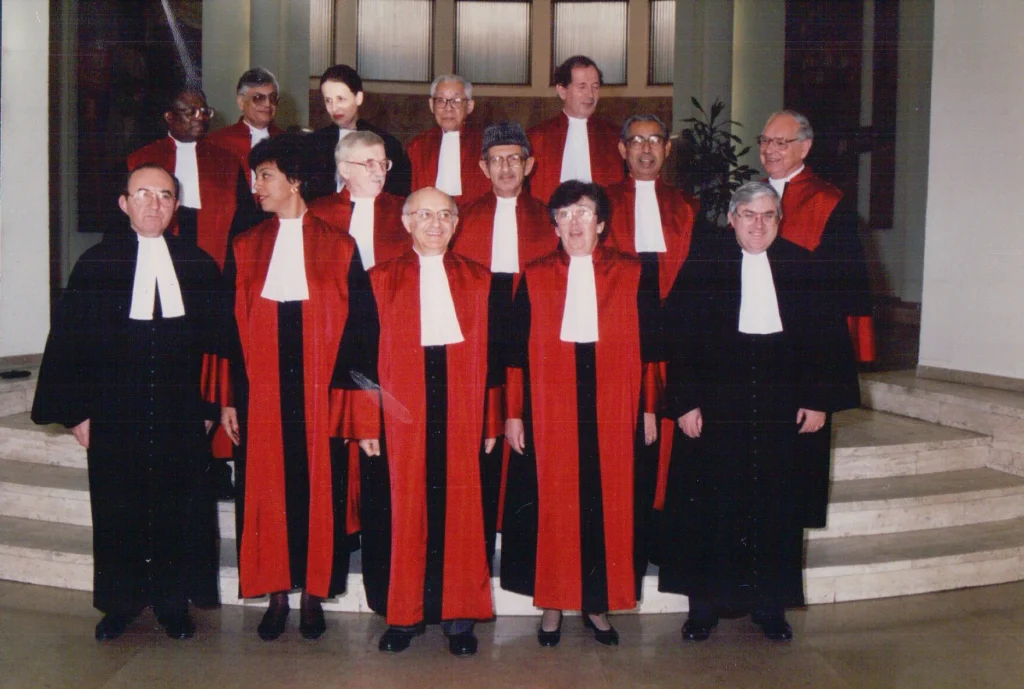
The ICTY Judges in 1995. Graham Blewitt (far right – front row) with the 11 ICTY judges, Prosecutor Richard Goldstone (far left – front row) and the Registrar (Dorothee de Sampayo – third from left back row). The Judges: front row from the left: Gabrielle Kirk McDonald (USA); Antonio (Nino) Cassese (President); Elizabeth Odio Benito (Costa Rica). Middle row from left – behind Judges McDonald and Cassese – Jules Deschênes (Canada); Rustam S. Sidhwa (Pakistan); Lal Chand Vohrah (Malaysia) and Sir Ninian Stephen (Australia). Back row from left: Adolphus Godwin Karibi-Whyte (Nigeria); Georges Michel Abi-Saab (Egypt); Haopei Li (China) and Claude Jorda (France). (Graham Blewitt)
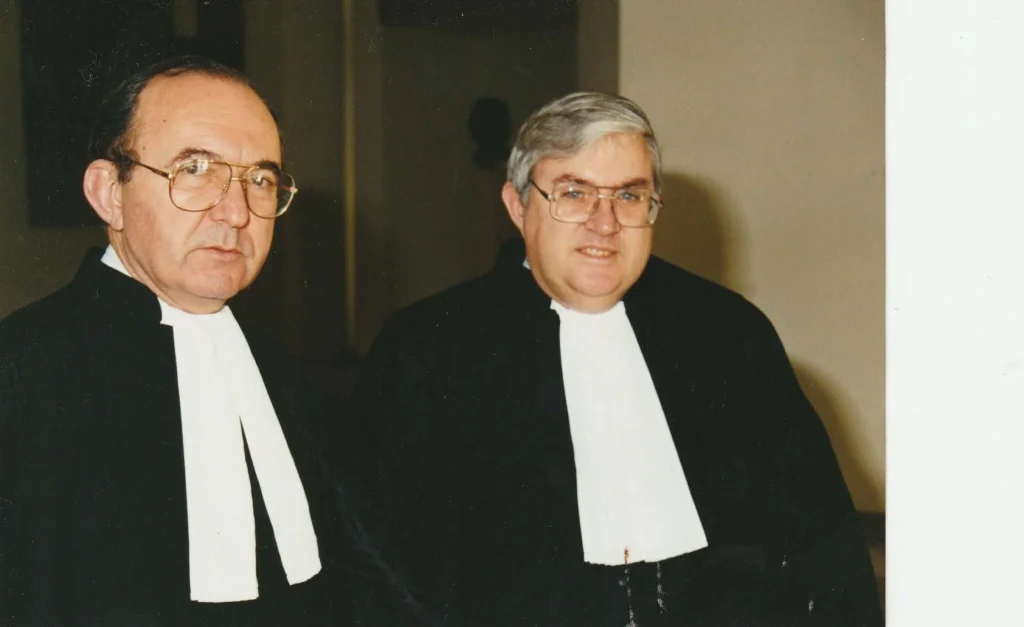
Graham Blewitt (right) with Richard Goldstone. (Graham Blewitt)
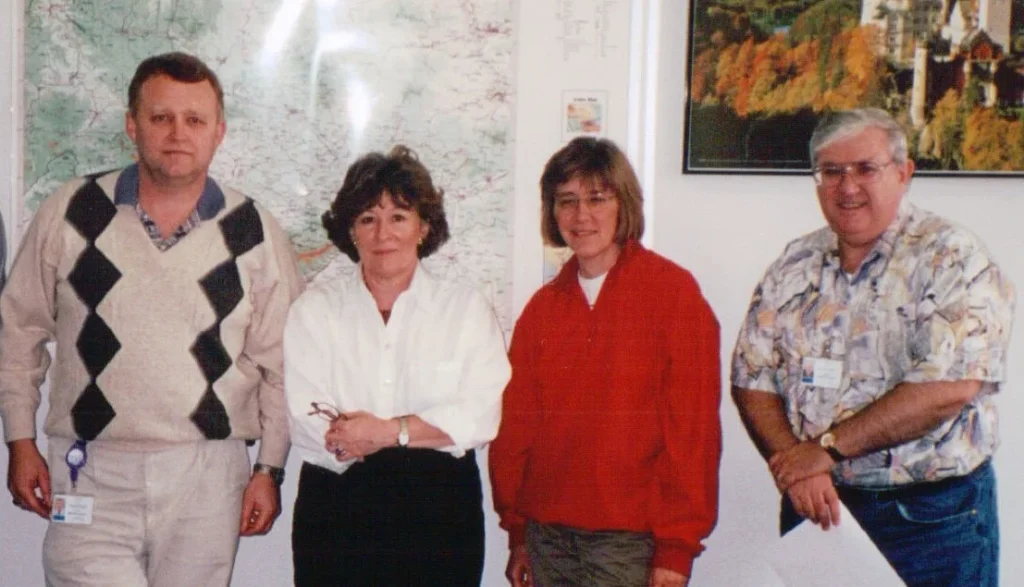
John Ralston (left) and Graham Blewitt (right) on the occasion of the signing of the indictment against Slobodan Milosevic. Next to John is ICTY Chief Prosecutor Louise Arbour; next to Graham (with the Milosevic indictment in his hand) is US lawyer Nancy Patterson. May 22, 1999, The Hague. (Graham Blewitt)
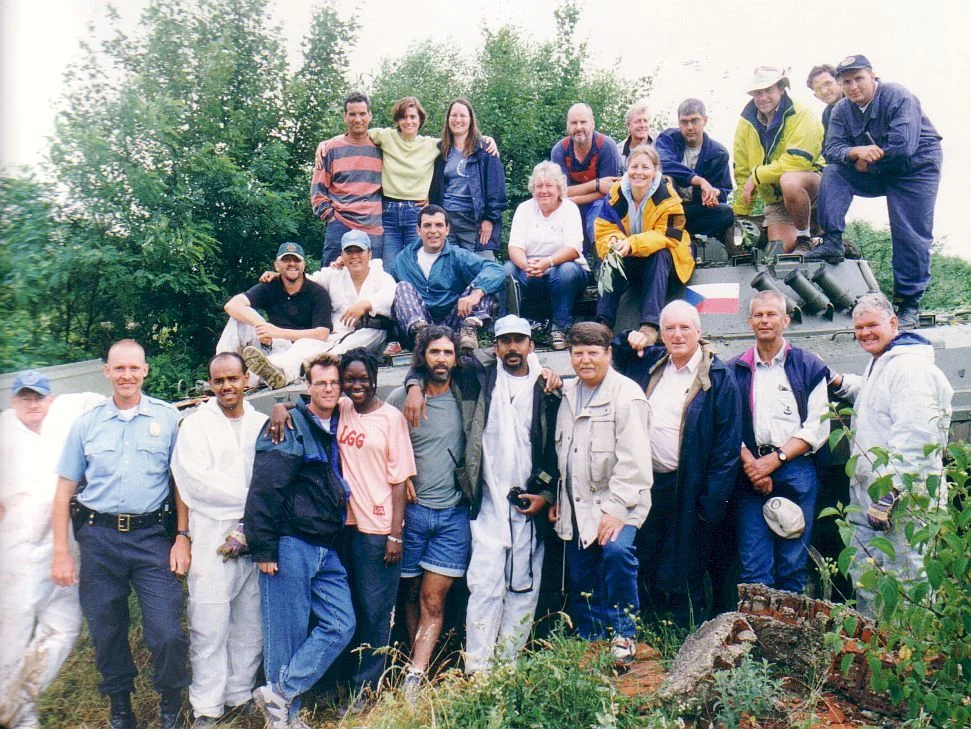
Richard Wright led a large international team of forensic archaeologists and anthropologists who exhumed sites in the Former Yugoslavia. The work was done in support of the work of the International Criminal Tribunal for the former Yugoslavia. The team had numerous support staff of engineers and crime scene police. The forensic work started in 1997 and ended in 2000.
The team required constant miliary protection by the Stabilisation Force (SFOR) going to the site, at the site, and in returning home to their base in Tuzla. All this was a far cry from the scale and peacefulness of work in Ukraine.
The work of the team was crucial to the success of cases heard before the ICTY in The Hague.
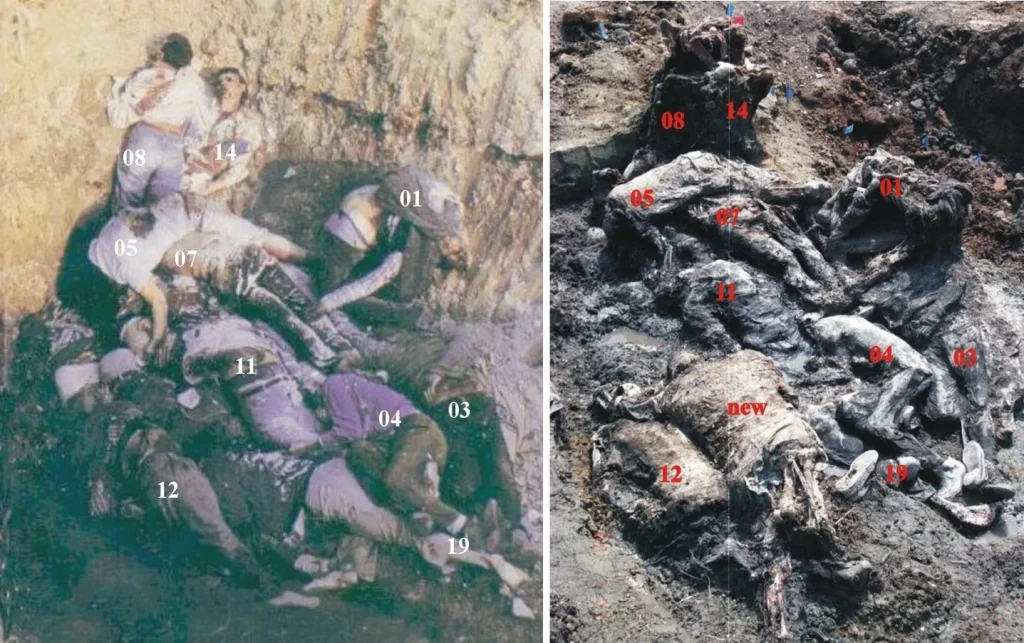
Brcko contemporary killings compared with ICTY excavations. (Photo taken during work by ICTY)
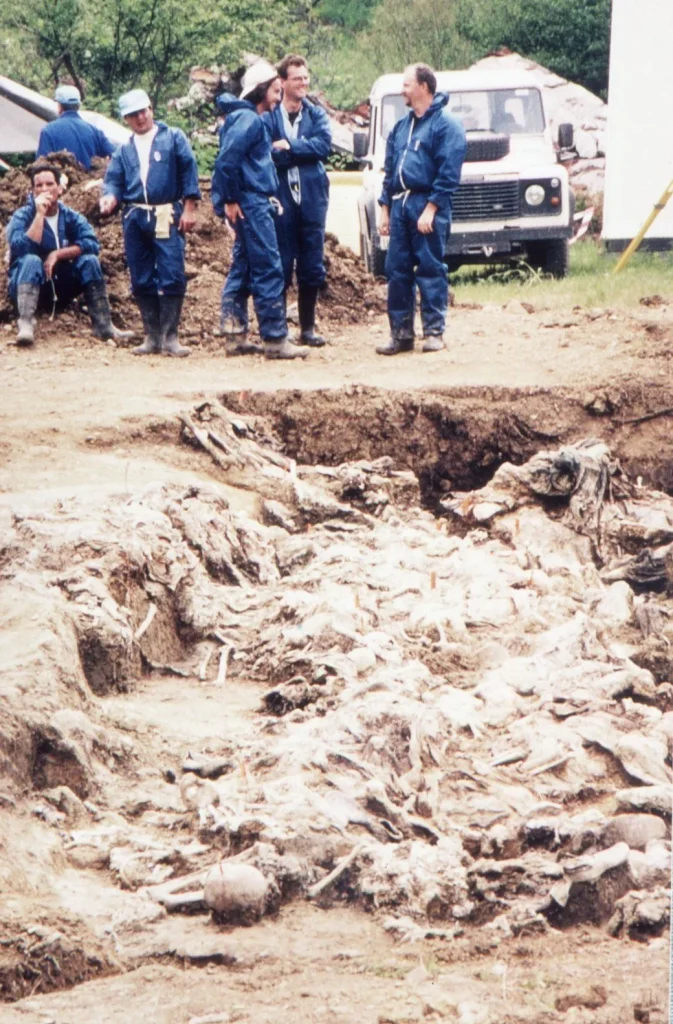
Soil cleared from the top of a mass grave to reveal bodies. (Photo taken during work by ICTY)
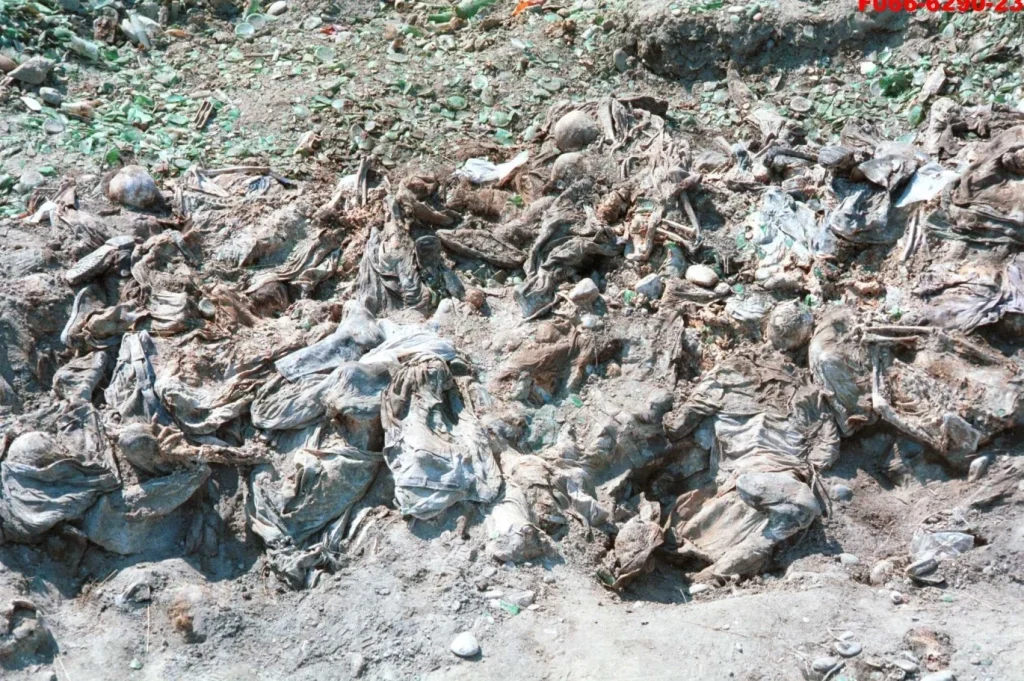
At Kozluk, a village in Bosnia and Herzegovina, bodies shot on a slope where broken glass was dumped. (Photo taken during work by ICTY)
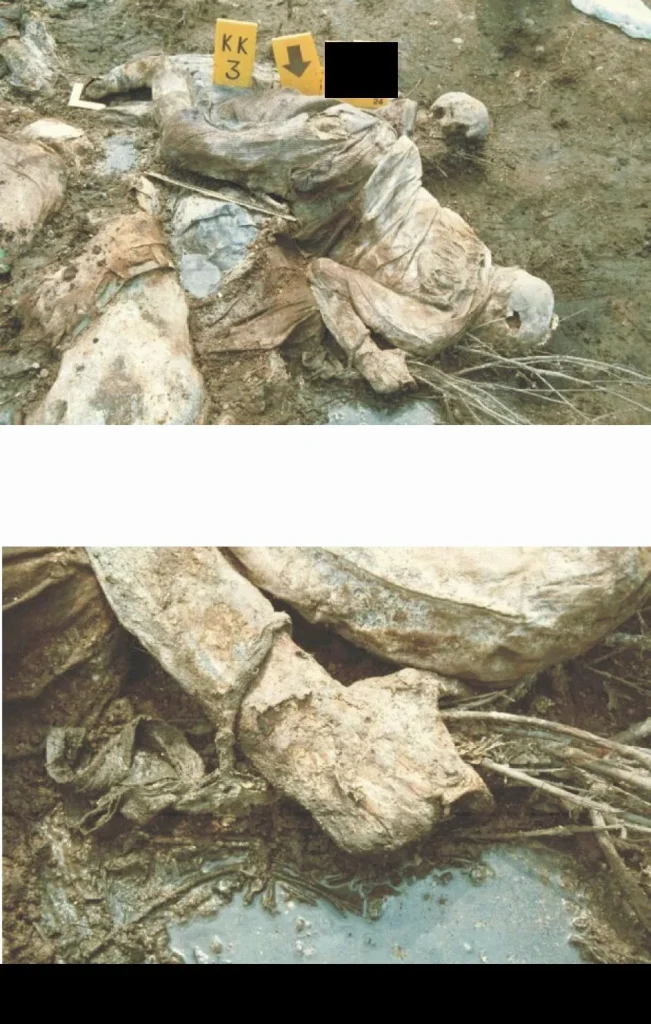
Soil cleared from the top of a mass grave to reveal bodies. (Photo taken during work by ICTY)
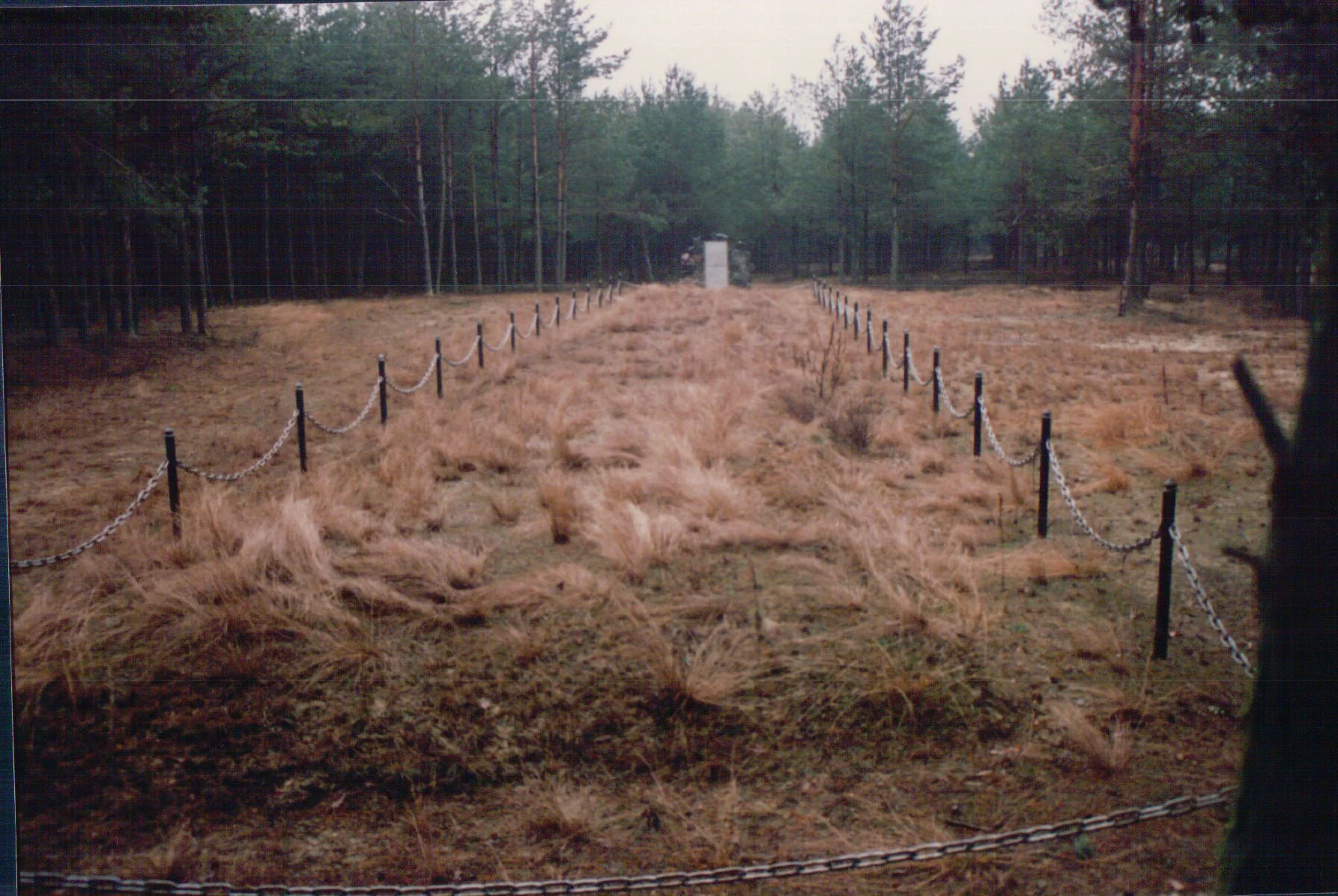
The mass grave just outside Sernyky was unmarked for decades. A pine forest grew over it. Only the living memory of nearby Sernyky resident Fyodor Polyukhovich made the identification of the site possible.
When the Australian team was investigating the site in summer 1990, it received a group of visitors from Sernyky and Rivne (Rovno). Sonia Wright recalls in her diary:
While we were sheltering in the tent, we were visited by a deputation of architects and officials from Rovno, led by Nadia the lady mayoress of Serniki. They wanted to discuss plans for a monument at the grave. Nadia often calls in to inspect our progress. She says her people are feeling shame and guilt for not having put some memorial there before. There are no longer any Jews in Serniki, so they are consulting the Jewish community in Rovno about what kind of monument to put up. They want us to estimate the number of people in the grave, so that they can put this statistic on the monument. Richard said that we should know by the end of next week. He told me that he feels a new emotion now – our responsibility to the local community. What had started off as a clinical job was now becoming significant to the locals.
The Australian team set the number of bodies at 553. The local authorities proceeded to plan and then build a memorial marking the site. It was some distance from Sernyky’s original Jewish ceremony, where some 120 Jewish males had been murdered and buried by German forces in August 1941. That site, too, is marked by a memorial. In distant Tel Aviv, too, there is a memorial to the murdered dead of Sernyky.
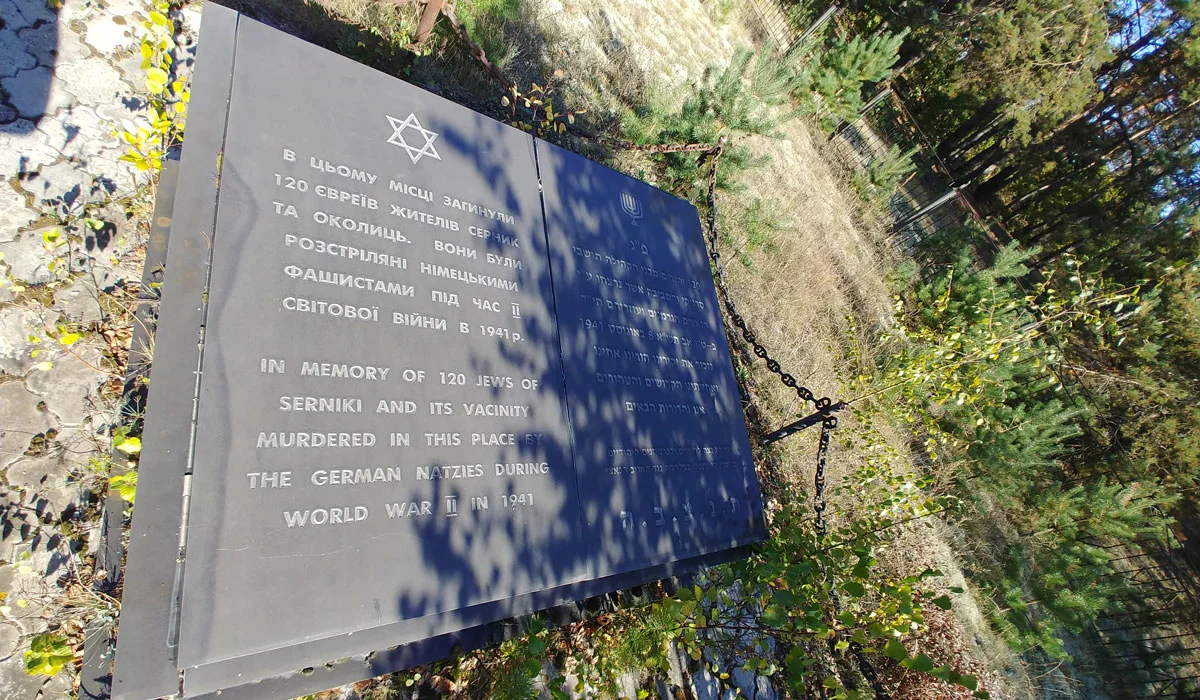
This memorial plaque is at the Jewish cemetery in Sernyky, the site of the killing of some 120 Jewish males in August 1941. The text is in Ukrainian, English and Hebrew. The English text reads, ‘In memory of 120 Jews of Serniki and its vicinity murdered in this place by the German Natzies during World War II in this place.’ There are no Jews now in Sernyky; the community’s cemetery was abandoned and neglected during the Soviet era.
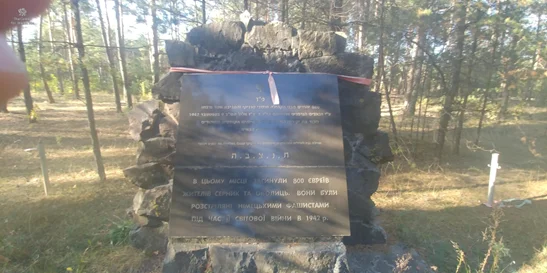
Memorial at the mass grave site, where in summer 1990 Australian and Soviet teams uncovered 553 bodies of Jews murdered there on an unestablished date in September 1942.
Inscriptions
Ukrainian:
В цьому місці загинули 800 євреїв
жителів Серник та околиць. Вони були
розстріляні німецькими фашистами
під час ІІ світової війни в 1942 р.
Translation:
At this place, 800 Jews, residents of Sernyky and surroundings perished. They were shot by the German fascists during WWII in 1942
Hebrew:
פ”נ
800 יהודים מבני הקהילה תושבי סרניק והסביבה אשר נרצחו
ע”י הנאצים הגרמנים ועוזריהם הי”ד ב כ”ז אלול תש”ב 9 בספטמבר 1942
נזכור את יקירתנו הורינו אחינו אחותינו הקדושים והטהורים
את הדורות הבאים
תהילת נצח לחיילים ולפרטיזנים היהודיים בני סרניק שנפלו במלחמה נגד האויב הנאצע
ת.נ.צ.ב.ה.
Translation:
Here are buried 800 Jews, members of Sernyky community and surroundings, who were killed by German Nazis and their assistants, May God avenge their blood, on 27 Elul 5702, September 9, 1942. We will remember our dear parents, brothers and sisters, holy and pure. / Future generations // Eternal glory to the Jewish soldiers and partisans, residents of Sernyky, who fell in the war against the Nazi enemy. // May their souls be bound in the bundle of life.
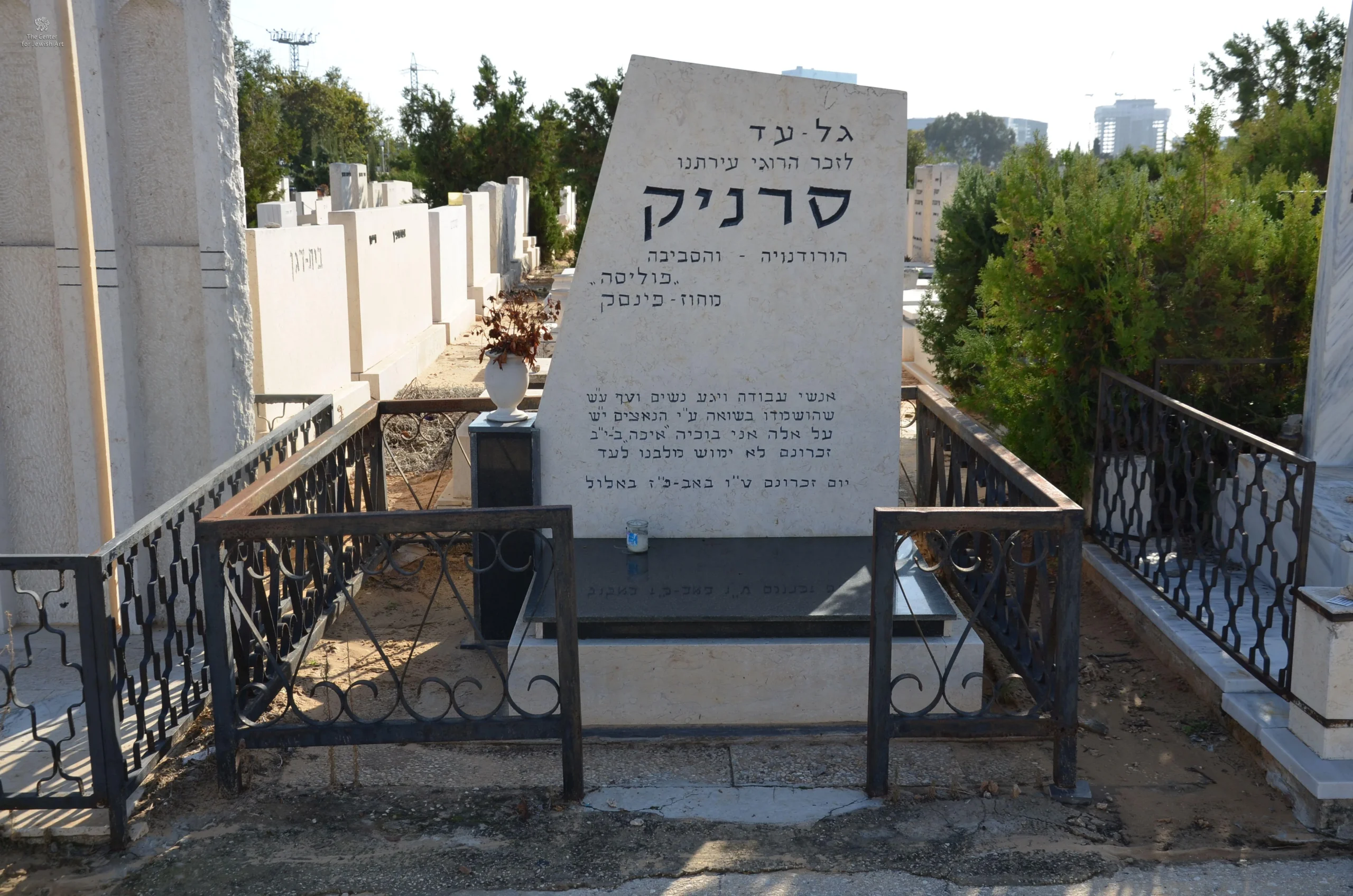
Inscription on the slab, in Hebrew:
גל עד
לזכר הרוגי עירתנו
סרניק
הורדוניה – והסביבה
“פוליסה”
מחוז פינסק
אנשי עבודה ויגע נשים וטף ע”ש
שהושמדו בשואה ע”י הנצים י”ש
על אלה אני בוכיה איכה ב-י”ב
זכרונם לא ימוש מלבנו לעד
יום זכרונם ט”ו באב-כ”ז באלול
Translation:
Memorial to the victims of our town / Sernyky / Horodnia – and surroundings / “Polisa” / Pinsk district / Men of labor and toil, women and children / who were annihilated in the Holocaust by the accursed Nazis / For these I weep [Lamentations 1:16] / Their memory will never depart from our hearts / Memorial day: 15 Av – 27 Elul
Commissioned by:
Association of Jews from Sernyky (Landsmannschaft, Irgun Yotsei ha-makom).
Adelaide War Crimes Trials Oral History Project. State Library of South Australia. OH 1204.
Report of the investigations of war criminals in Australia / Attorney-General’s Department, Australia. Attorney-General’s Department. Special Investigations Unit, Canberra, ACT : Australian Govt. Pub. Service, 1993.
Aarons, Mark, Sanctuary: Nazi fugitives in Australia, Melbourne: William Heinemann, 1989.
Aarons, Mark, War Criminals Welcome: Australia, a sanctuary for fugitive war criminals since 1945, with a foreword by Bob Hawke, Melbourne: Black Inc., 2020.
Aarons, Mark and Graham Blewitt (eds.), Nazis in Australia: The Special Investigations Unit, 1987–1994, Melbourne: Black Inc., 2025.
Berkhoff, Karel C. Harvest of Despair: Life and Death in Ukraine Under Nazi Rule, Cambridge: Belknap Press, 2008.
Bevan, David, A Case To Answer: The story of Australia’s first European war crimes prosecution, 2nd ed., Adelaide: Wakefield Press, 2018.
Browning, Christopher, The Origins of the Final Solution: The Evolution of Nazi Jewish Policy, September 1939 – March 1942, Lincoln: University of Nebraska Press, 2004.
Dean, Martin C., Collaboration in the Holocaust: Crimes of the Local Police in Belorussia and Ukraine, 1941-44, New York: Palgrave Macmillan, 1999.
Dean, Martin C. and Geoffrey P. Megargee (eds.), The United States Holocaust Memorial Museum Encyclopedia of Camps and Ghettos, 1933-1945, Volume II (Ghettos in German-Occupied Eastern Europe). Vol. 1. Bloomington and Indianapolis: Indiana University Press, 2012.
Desbois, Patrick, The Holocaust by Bullets: A priest’s journey to uncover the truth behind the murder of 1.5 million Jews, Basingstoke : Palgrave Macmillan, 2009.
Exeler, Franziska, Ghosts of War: Nazi Occupation and Its Aftermath in Soviet Belarus, Ithaca: Cornell University Press, 2022.
Fraser, David, Daviborshch’s Cart: Narrating the Holocaust in Australian War Crimes Trials, Nebraska: University of Nebraska Press, 2011.
Fraser, David, Law after Auschwitz: Towards a jurisprudence of the Holocaust, Durham NC: Carolina Academic Press, 2005.
Himka, John-Paul, Ukrainians, Jews and the Holocaust: Divergent Memories, Saskatoon: Heritage Press, 2009.
Lower, Wendy, The Ravine: A family, a photograph, a Holocaust massacre revealed, London: Head of Zeus, 2021.
Lower, Wendy and Ray Brandon, The Shoah in Ukraine: History, Testimony, Memorialization, Bloomington: Indiana University Press, 2010.
Nader, John, Tardy justice: The Heinrich Wagner prosecution, Sydney: John Nader, 2011.
This website includes photographs, personal accounts and historical material that some visitors may find confronting. It is not recommended for those under 13 years of age. Please explore at your own pace and take time to reflect before you leave this website.