Sernyky

The Full Story

Sernyky (or Serniki) is a village in Polesie, a region distinguished by marshes, flatlands and forests. It is borderland territory, its people from a variety of backgrounds and subjected to many different regimes since Sernykyʼs first mention in 1449.

Between the world wars Sernyky was in Poland. Roughly a thousand of the villageʼs inhabitants were Jews, perhaps a quarter of the population. They were outnumbered by gentile Ukrainians, who lived in the village and the surrounding farmlands.

After the German invasion of Poland in September 1939, Sernyky was in territory annexed by the Soviet Union. The German invasion of the Soviet Union began on 22 June 1941. In early August a German cavalry unit appeared in Sernyky to assert German control.

Among the early actions of the Germans was to round up some 120 Jewish males and murder them at the Jewish cemetery.

In Spring 1942 the remaining Jews of Sernyky were confined to a ghetto. Later that year they became aware that a pit had been dug outside the town. A number of Jews escaped the ghetto and sought refuge outside Sernyky, sometimes with the aid of courageous Gentiles.

One morning in September 1942 a unit of Germans arrived in Sernyky. Their job was to ‘liquidateʼ the ghetto, that is, to round up all the Jews, kill them at the pit and bury them there. To do so they relied heavily on local collaborators.

On that day 553 of Sernykyʼs Jews were killed. Most of the victims this time were women, children and the elderly.

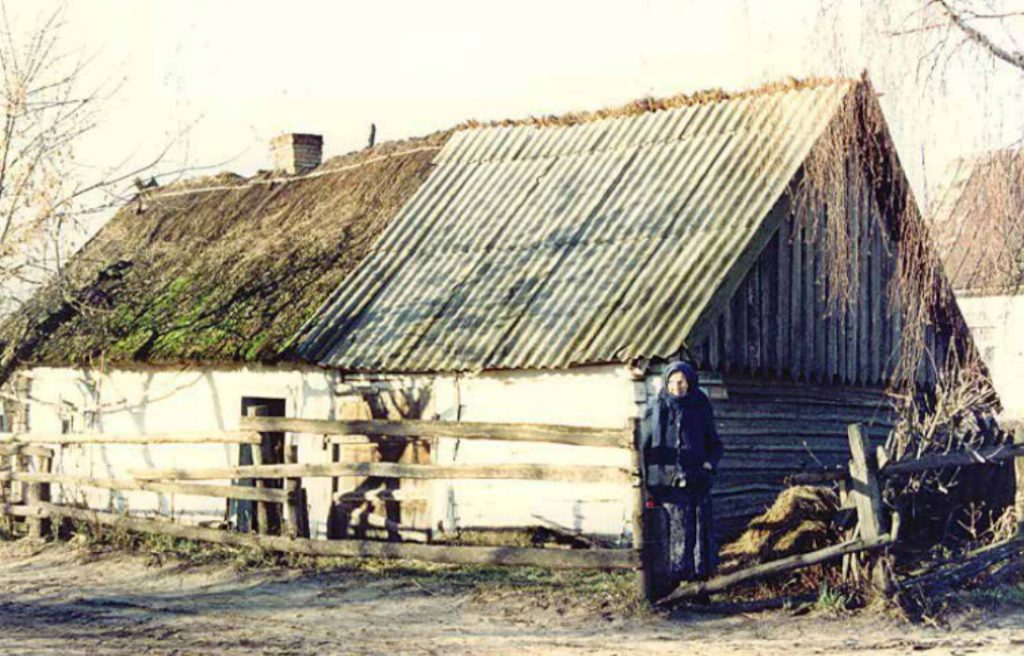
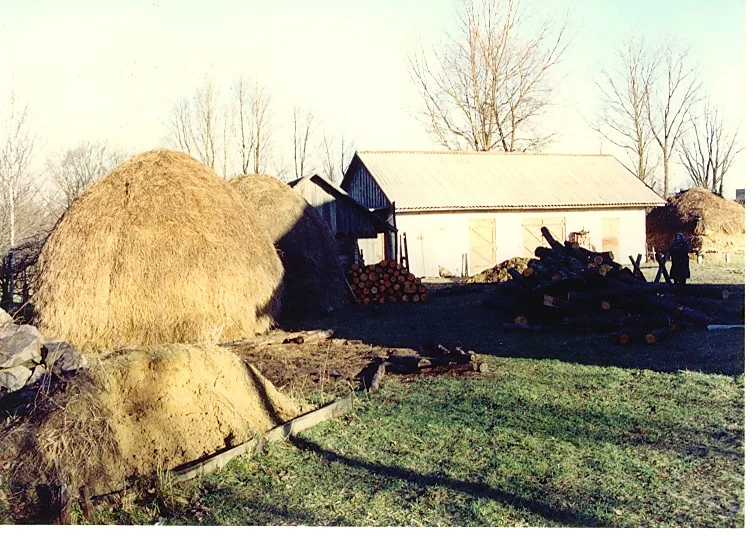
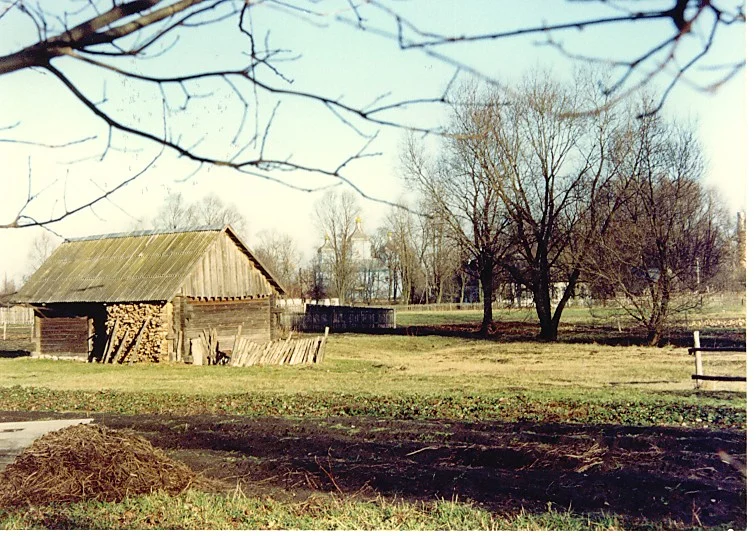
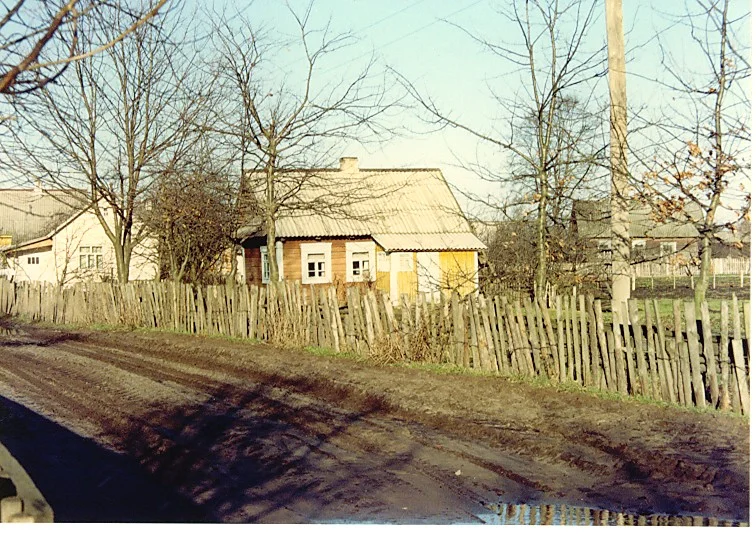
Sernyky at the time of an SIU visit. (Graham Blewitt)

When the Special Investigations Unit visited Sernyky from late 1989, it appeared to them that the village had changed little since World War II.

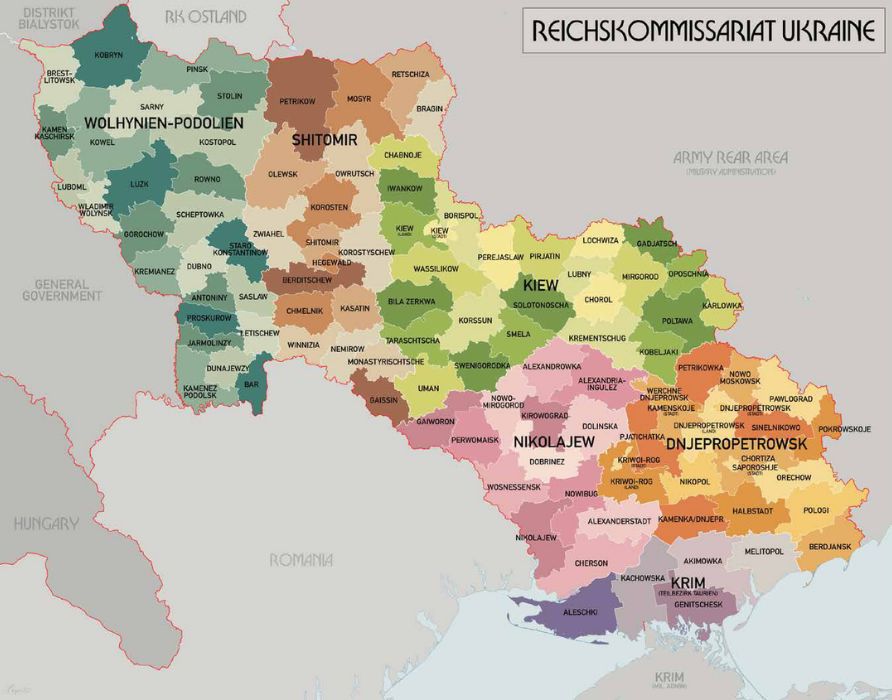
Map of the Reichskommissariat Ukraine. (Wikipedia Commons)

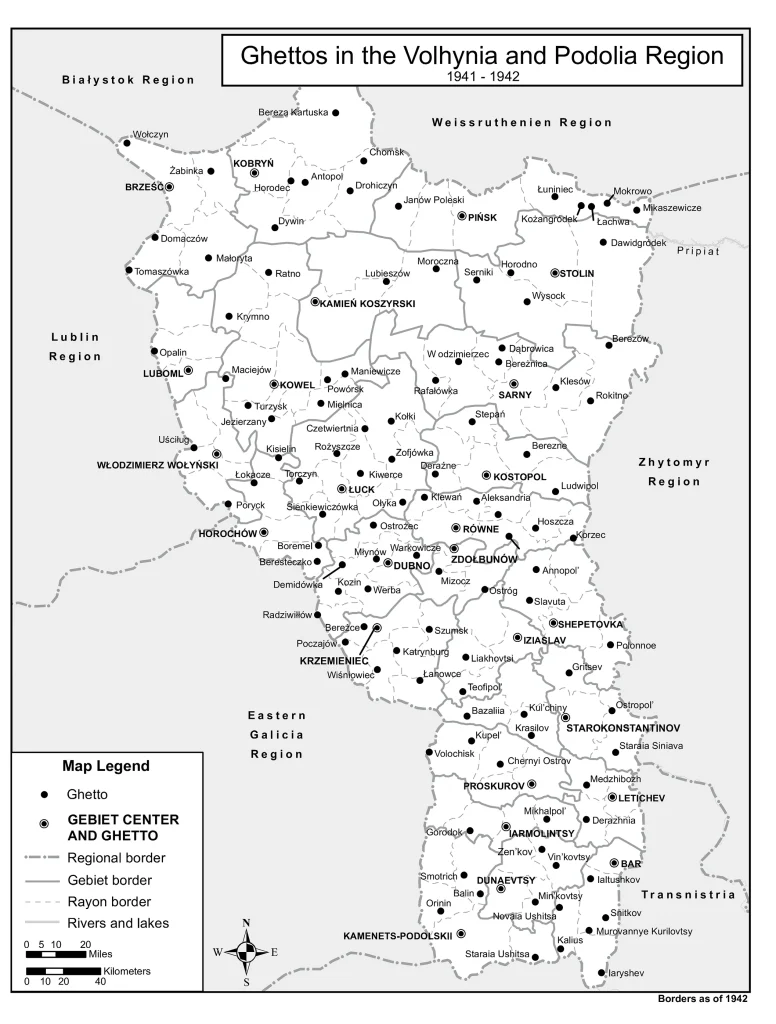
After German forces overran Soviet defences in Operation Barbarossa in June 1941, occupied territory was placed under German civil administration from September. The so-called Reichskommissariat Ukraine was divided into six General Districts, each comprising a number of smaller Districts. Sernyky was in the very north, in the Stolin District of the General District of Volhynia and Podolia.

SIU Senior Investigator Bob Reid describes the challenges of working with Moscow based SovietSenior Procurator Natalia Kolesnikova and the more cordial relationships established with theRivne-based procurator Vasili Polevoy and his Ukrainian team, whose brief covered Sernyky andthe Polyukhovich case.

Audio: Reid.1.On Kolesnekova

Source: State Library of South Australia. Interview with Bob Reid. Sound recording, 16September 2023. Interviewer: Peter Monteath. OH 1204/2.

Defence lawyers Lindy Powell and Gabby Brown recall their first visit to Ukraine in late 1991.

Audio: Powell and Brown.6.First visit to Ukraine

Source: State Library of South Australia. Interview with Lindy Powell and Gabby Brown. Soundrecording, Adelaide, 7 March 2025. Interview by Peter Monteath. OH1204/11.

Lindy Powell and Gabby Brown on the attention of the KGB during their travels in Ukraine.

Audio: Powell and Brown.9.KGB

Source:State Library of South Australia. Interview with Lindy Powell and Gabby Brown. Soundrecording, Adelaide, 7 March 2025. Interview by Peter Monteath. OH1204/11.

Sernyky – Historical Overview

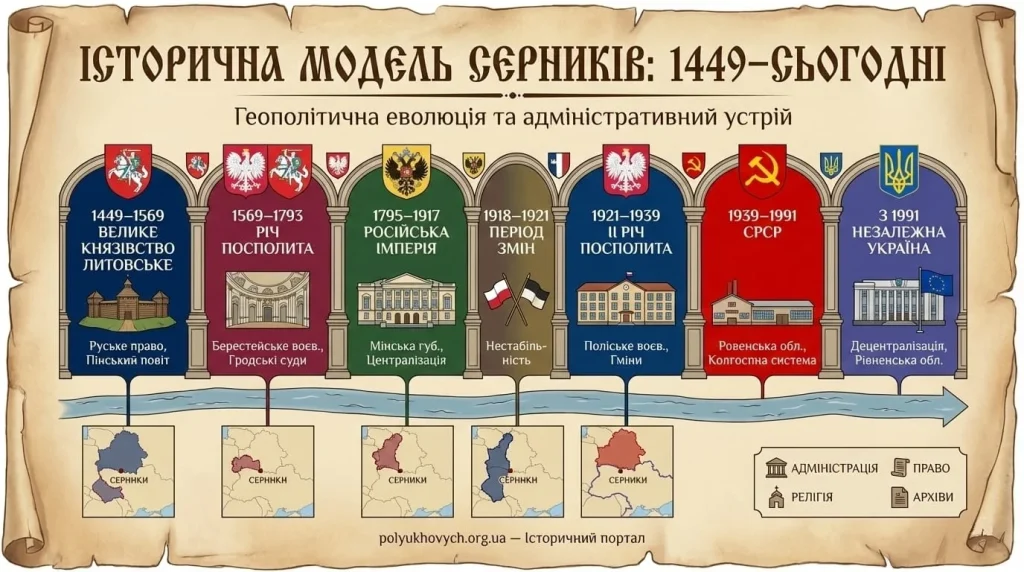
Graphic indicating the long and complex history of Sernyky: https://polyukhovych.org.ua/serniki/

The geopolitical history of Sernyky (or Serniki, but not to be confused with the Polish village of Serniki near Lublin) is complex, as shown above:

  • At the time of its first mention in 1449 it was part of the Grand Duchy of Lithuania.
  • From 1569 it belonged to the Polish–Lithuanian Commonwealth, also referred to as Poland-Lithuania or the First Polish Republic.
  • From 1793 to the end of the World War I it was part of the Russian Empire.
  • During World War I it was in an area heavily contested by German and Russian forces.
  • From 1918 for a brief period it was part of the Ukrainian People’s Republic.
  • From 1921, and until 17 September 1939, it was incorporated into the Second Polish Republic.
  • With the commencement of World War II in September 1939, and according to an agreement reached between Nazi Germany and the Soviet Union, Sernyky was in territory occupied from the second half of September by Soviet forces, who imposed Soviet rule in the form of the Belorussian Soviet Socialist Republic.
  • In August 1941, German invading forces asserted German control in Sernyky and retained control their until their retreat west in 1944.

Sernyky under German Occupation

With the commencement of the German invasion of the Soviet Union (Operation Barbarossa) on 22 June 1941, the Soviets retreated to the east. For a number of weeks there was a power vacuum in and around Sernyky filled only by roaming Ukrainian groups. As in other locations, numerous cases of antisemitic violence were recorded in Sernyky during this period, as the main German military and security forces bypassed Sernyky to the north and the south as they advanced rapidly eastward across Soviet territory.

In time the 3rd Squadron of the 2nd SS-Cavalry Regiment swept through the Pripet marshes, finally arriving in the Sernyky area in the first week of August. They captured and murdered some 120 local Jewish males. Their bodies were buried at Sernyky’s Jewish cemetery.

From September 1941 the areas of Ukraine west of the German armed forces’ operational area were placed under civilian administration, the Reichskommissariat Ukraine, its capital in Rivne. Within the Reichskommissariat, Sernyky was in the northern Generalkommissariat of Volhynia and Podolia. That Generalkommissariat was itself divided into 26 areas; Serynky was in the area (Gebiet) of Stolin. The neighbouring area to the north was Pinsk.

From Martin Dean, ‘VOLHYNIA AND PODOLIA REGION (GENERALKOMMISSARIAT WOLHYNIEN UND PODOLIEN).’ The United States Holocaust Memorial Museum ENCYCLOPEDIA OF CAMPS AND GHETTOS: Volume II: Ghettos in German-Occupied Eastern Europe, edited by Dean, M. (Ed.) and Megargee, G. P. (Ed.), United States Holocaust Memorial Museum, 2012. Project MUSE, https://doi.org/10.1353/document.3118

Sernyky was small, with a population of perhaps 4000, and did not warrant a German garrison. A local mayor (starosta) answerable to German authorities was appointed; German wishes were implemented through the Ukrainian administration and local police.

From the Spring of 1942 the Jewish inhabitants of Sernyky and nearby villages were required to live in a ghetto established in Sernyky. Men required to work outside the ghetto, for example for the purpose of felling trees in the local forests, did so with the permission of local authorities. After the killing of about 120 Jewish males in the previous year, the majority of the ghetto’s inhabitants were women, children and the elderly.

In advance of the liquidation of the ghetto in September 1942, work outside the ghetto ceased and perimeter security tightened. Nonetheless, some of Sernyky’s Jews, secretly advised by local Ukrainians that a pit had been dug on the outskirts of town, managed to escape the ghetto and make their way into the forests surrounding Sernyky. A small number of those Jews, some of whom joined partisan forces, survived the war and emigrated to the United States, Canada and Israel, became important witnesses in the Polyukhovich case in Adelaide.

Early one day in early September, probably the 9th, in any case according to Jewish survivor testimony shortly before Rosh Hashanah, the liquidation of the Sernyky ghetto was carried out. A number of Germans arrived in the village by truck. The core group is likely to have been a combined unit of Sicherheitspolizei (SiPo, Security Police) and Sicherheitsdienst (SD, Security Service, a branch of the SS) personnel who were based in Pinsk. As a mobile unit they led a number of ghetto liquidations through the areas (Gebiete) of Pinsk and Stolin in the first half of September, always assisted by German and local forces. In Sernyky they were helped by local Ukrainian police but – unlike in other liquidations in the area – not by the mounted police unit (Polizei Reiterabteilung II) or other police battalions. This helps to explain why a number of Sernyky’s Jews were able to escape, though those who managed to make it into the surrounding woods ran the heavy risk of being caught and killed there by Ukrainian collaborators operating outside the village. Estimates suggest that of the escapees, 102 perished in the forests. Of them, between 10 and 12 died fighting as partisans, while the rest succumbed to hunger, cold, and illness or were killed by police and other local inhabitants.

The liquidation was carried out at a site just outside Sernyky. A pit some 40 metres by 5 metres had been dug in advance on German orders by local gentiles. On the morning of the arrival of the German unit, police and local Ukrainian collaborators rounded up the Jews in the ghetto, escorted them to the pit and cordoned off the area. It is likely that in Sernyky, as elsewhere, the bulk of the shooting was done by members of the mobile German unit sometimes referred to as Dauerschützen (permanent shooters). As they travelled from one site to the next, these shooters, whether working alone or in small numbers at the edge of or inside the pits, used automatic weapons to kill the Jewish victims through bullets to the back of the head. It is possible that a Dauerschütze who killed Sernyky’s Jews was Adolf Petsch, who after the war confessed to killing thousands of Jews in this manner through the areas of Pinsk and Stolin.

Forensic investigations at Sernyky showed that 553 individuals were killed at the mass grave site there, the great majority by bullets, but in a minority of cases also through other forms of severe trauma.

German control of Sernyky lasted until 1944, when the Red Army resumed control of the area. The German grip had been undermined by a range of partisan groups of various political persuasions and with a variety of views of what a postwar Ukraine should look like. Some Jews who had evaded ghetto liquidations played an active role in partisan warfare. Conquest of the area by the Red Army meant that control was returned to the Soviet Union, at least until Ukrainian independence in 1991.

Useful sources:

Pallavicini, Stephen and Dean, Martin. “SERNIKI.” The United States Holocaust Memorial Museum ENCYCLOPEDIA OF CAMPS AND GHETTOS: Volume II: Ghettos in German-Occupied Eastern Europe, edited by Dean, M. (Ed.) and Megargee, G. P. (Ed.), United States Holocaust Memorial Museum, 2012. Project MUSE, https://doi.org/10.1353/document.3222

Dean, Martin. “VOLHYNIA AND PODOLIA REGION (GENERALKOMMISSARIAT WOLHYNIEN UND PODOLIEN).” The United States Holocaust Memorial Museum ENCYCLOPEDIA OF CAMPS AND GHETTOS: Volume II: Ghettos in German-Occupied Eastern Europe, edited by Dean, M. (Ed.) and Megargee, G. P. (Ed.), United States Holocaust Memorial Museum, 2012. Project MUSE, https://doi.org/10.1353/document.3118.

https://muse.jhu.edu/document/3118

Australians in Sernyky

Informed of allegations raised against Ivan Polyukhovich as reported in the Australian press, investigative journalist Mark Aarons visited the Sernyky area in January 1987 and conducted interviews.

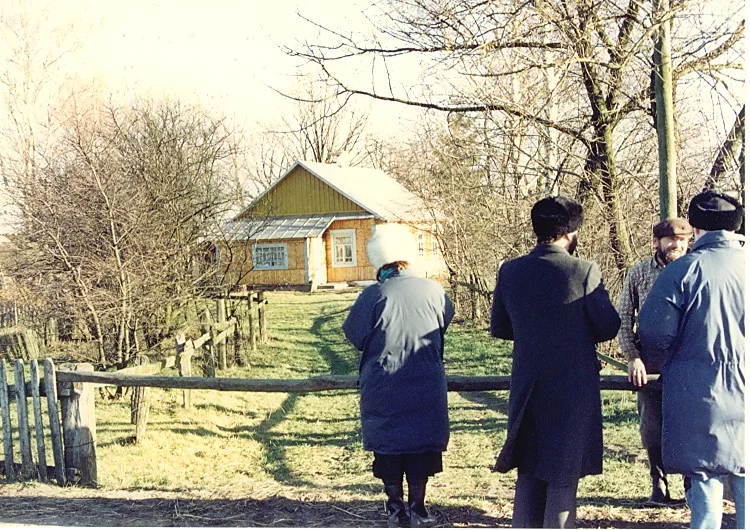
From 1989 SIU visits took place, as did visits by members of the defence and prosecution teams in the Polyukhovich case. Through the middle of 1990 an Australian forensics team worked at the mass grave site on the outskirts of Sernyky. All of the Australians were struck by a village that appeared to have changed very little in the preceding decades.

Photo: Graham Blewitt

Sernyky in December 1989.

Photo: Graham Blewitt

Investigators at the Sernyky property of Fyodor Polyukhovich, later to become a key witness in the Polyukhovich case, December 1989.

Photo: Graham Blewitt

Sernyky in December 1989.

Photo: Graham Blewitt

Sernyky in December 1989.

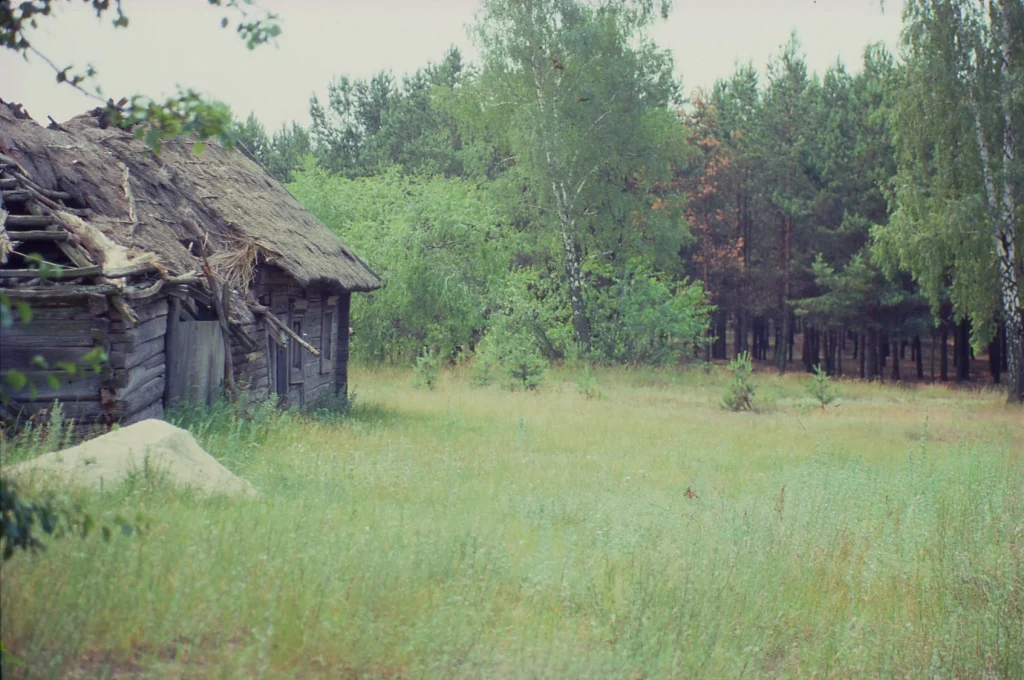
Photo: Richard Wright.

View of the pine plantation outside Sernyky, planted some 25 years after the mass burial of Jews in 1942.

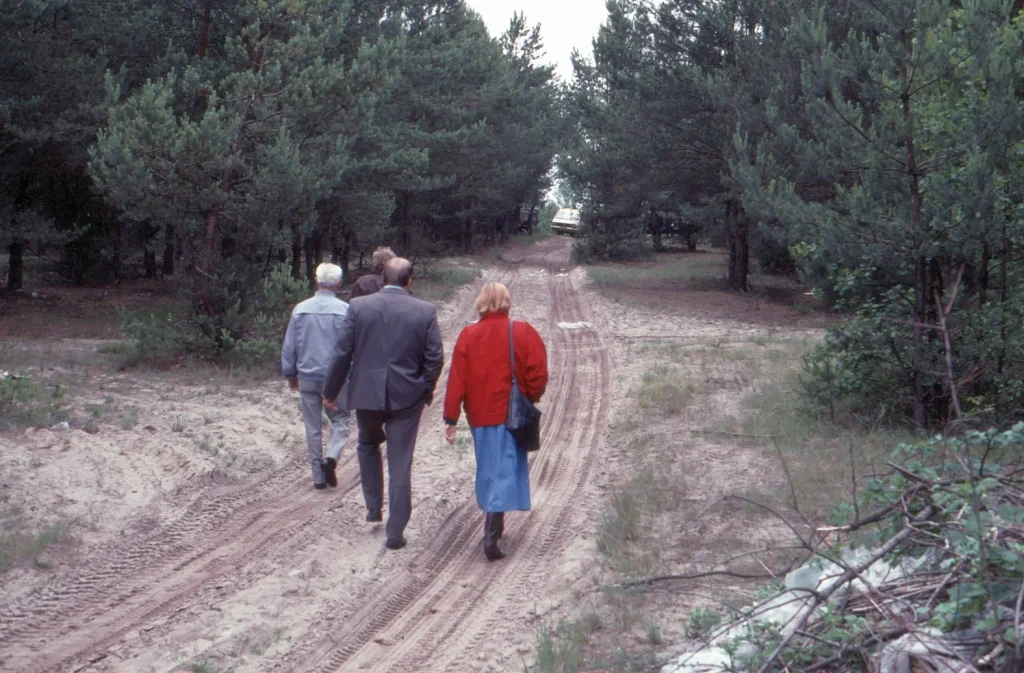
Photo: Richard Wright

Leading the group walking into the pine plantation that contains Sernyky’s mass grave is David Hughes of the SIU Forensics Team, accompanied by Bert Bailey (in the blue top), and followed by two unidentified Ukrainian officials.

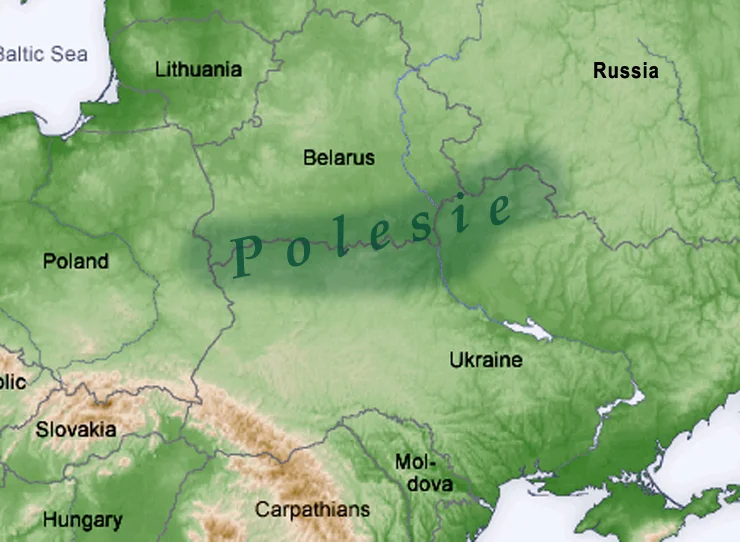
Polesie

Map of Polesie. Wikimedia commons. Polesian lowland is marked in green.
https://en.wikipedia.org/wiki/Polesia#/media/File:Polesia_map_-_topography.jpg

Sernyky is located in the southern part an area known as Polesie (or Polesia, or Polissia – the number of names is itself an indicator of the diversity of this borderland territory). Polesie has long been distinguished, and its history heavily influenced, by its natural landscape of marshes and primal forests. The central river running through it is the Pripjet (or Pripyat, or Pripet), but there is a large network of waterways through the region, including the Stubla, the river that runs through Sernyky.

Waterways could provide a means of travel. Traditionally, for example, anyone travelling from Sernyky to the regional centre of Pinsk to the north might undertake at least a portion of that journey by boat. At the same time, the existence of a network of marshes and waterways made rapid and direct travel across the region difficult. That helps to explain why German forces were relatively slow to arrive in Sernyky during the invasion of the Soviet Union in 1941, but it also explains more broadly the relative economic under-development of the region.

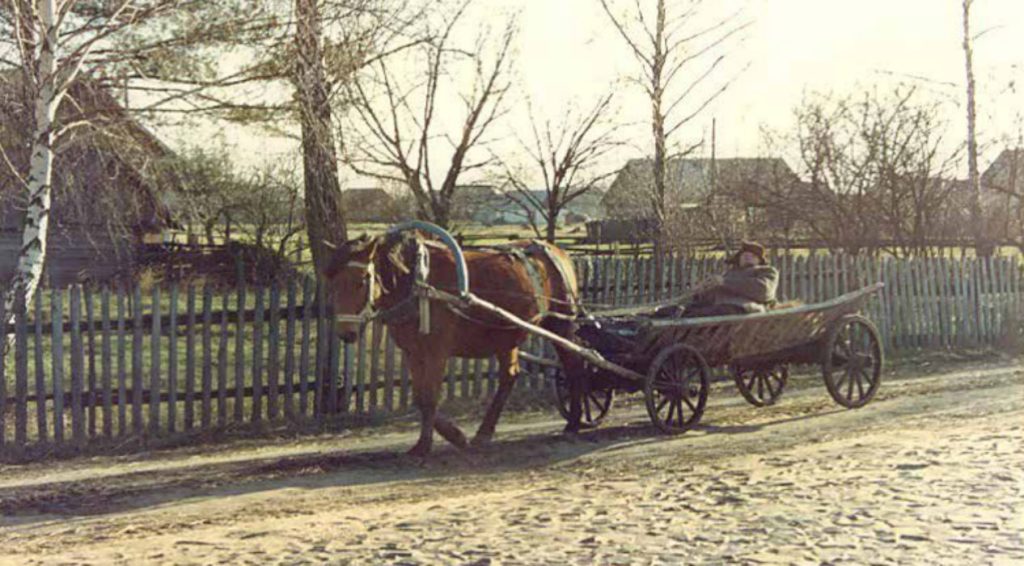
Some sense of that backwardness is captured in these photographs from villages in the Polesie in the period before World War II.

Link provided courtesy Stephen Pallavicini.

WARNING!

This website includes photographs, personal accounts and historical material that some visitors may find confronting. It is not recommended for those under 13 years of age. Please explore at your own pace and take time to reflect before you leave this website.

Enter